
Ministers Face Backlash Over MenB Vaccine Rollout as Kent Meningitis Outbreak Claims Lives
Parents and campaigners are expressing outrage after ministers rejected calls to expand access to the Meningitis B (MenB) vaccine, following a deadly outbreak in Kent that has resulted in multiple fatalities. The controversy centers on the government's decision to limit the vaccine primarily to babies, leaving thousands of teenagers and young adults unprotected against the disease.
Outbreak Details and Personal Stories
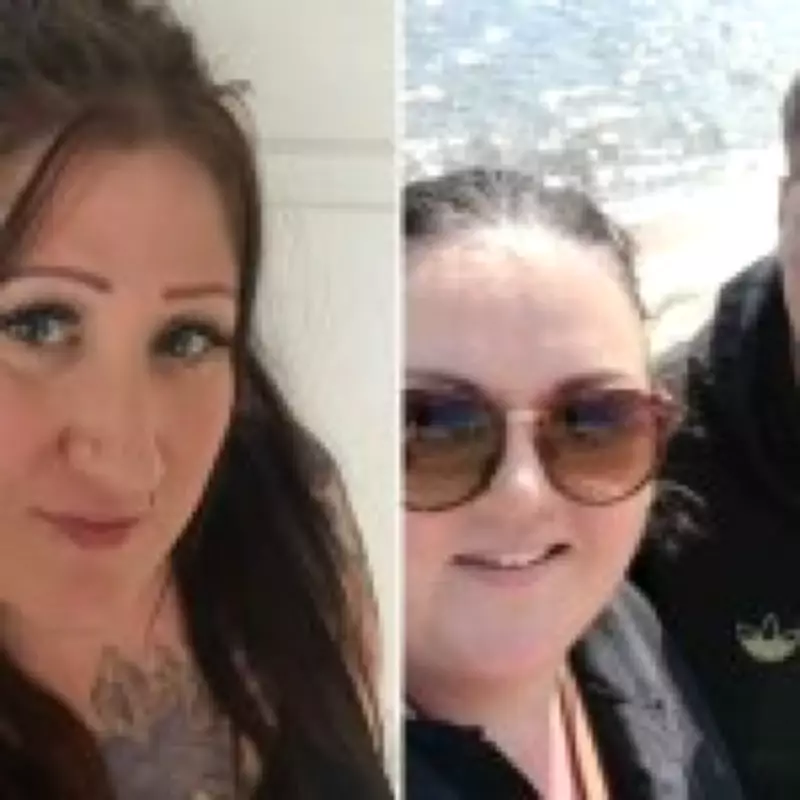
In Kent, four of fifteen confirmed meningitis cases have been identified as MenB, with a university student and a sixth-form pupil among those who have died. Khali Goodwin, whose 21-year-old daughter Keeleigh was hospitalized with meningitis, was shocked to discover her child had never been offered the MenB vaccine. "All of this could have been prevented and two people could still be alive," Khali told reporters. "It is a disgrace. The government didn't care." Keeleigh's health deteriorated rapidly, leading to a seizure and emergency hospitalization, though she is now recovering.
Historical Campaigns and Government Response
Campaigners have long urged the government to broaden MenB vaccine access, with a 2016 petition becoming the most-signed on the UK government website. It highlighted cases like Faye Burdett, a two-year-old who died from meningitis, and rugby player Matt Dawson, whose son battled the condition. Despite public pressure, the Conservative Party-run Department for Health and Social Care rejected the petition, citing that their program protects those most at risk and aligns with recommendations from the Joint Committee on Vaccination and Immunisation (JCVI).
Another petition in 2024, calling for all 16 to 23-year-olds to receive the jab, garnered over 40,000 signatures. The charity Meningitis Now launched a campaign outside Parliament nine months ago, warning that the 15-24 age group is at risk but often unaware they are unvaccinated. TV presenter Seema Jaswal backed the 'No Plan B for MenB' initiative, emphasizing the urgency of the situation.
Broader Implications and Expert Opinions
Marrisa Mullans, who lost her 18-year-old son Alfie to MenB in 2023, agrees that the Kent deaths could have been prevented. "The current outbreak should not be happening. The vaccine is there and available – it needs to be utilised," she said. Her petition to offer the vaccine to all 16 to 23-year-olds has received over 43,000 signatures. Currently, the MenB vaccine is only administered to babies at specific intervals, and young adults must pay up to £330 privately for the two-part treatment.
The Meningitis Research Foundation has raised concerns, with Head of Health Insights and Policy Brian Davies stating, "young adults should have fairer access to better protection against MenB for free on the NHS." Data from 2023-2024 shows 27% of MenB cases occur in people aged 15-24, with 94 cases in that bracket in 2024-2025.
Government and Expert Defenses
The Department of Health and Social Care maintains that a routine MenB booster for young people was not recommended by the JCVI. Health Secretary Wes Streeting announced a targeted vaccination program for students in university halls in Kent, calling the outbreak "unprecedented" and "rapidly developing." However, Professor Keith Neal of Nottingham University defended the government's stance, arguing that expanding access is not cost-effective due to the relatively small number of cases. "With the cost of the vaccine and the cost of administering it, you are talking about an awful lot of money," he said, adding that the vaccine is not 100% effective and may not protect against the specific strain in Kent.
As the outbreak continues to evolve, the debate over vaccine access highlights ongoing tensions between public health needs and government policy decisions.




