
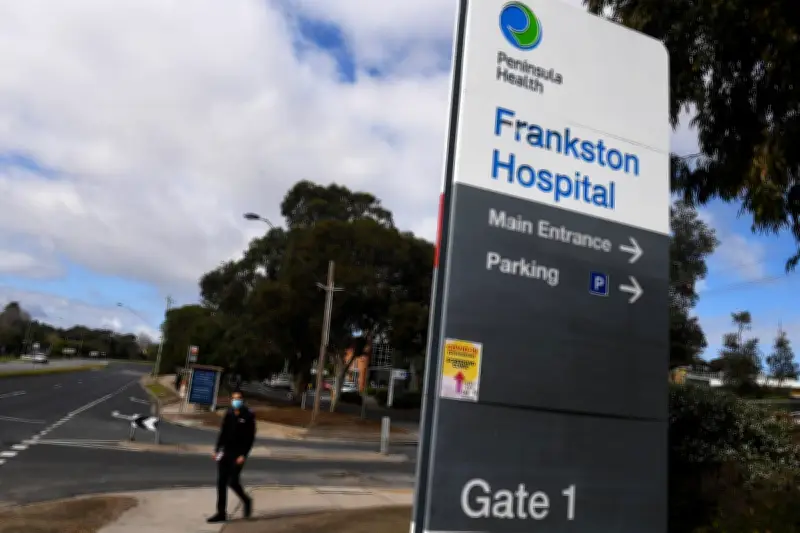
An inquest into the death of Stacey Warnecke has heard of the ‘heroic’ efforts of Frankston hospital staff to manage multiple cardiac arrests and ongoing bleeding. The 30-year-old Melbourne wellness influencer died from a treatable complication after giving birth at home without any trained medical staff.
Events leading to death
Stacey Warnecke was found lying on the floor of her home in an altered state of consciousness beside a large blood clot hours before she died in hospital. She gave birth to her son Axel in September with her husband Nathan Warnecke and Melbourne birthkeeper Emily Lal present. A birthkeeper is an unregulated support worker without formal medical training operating outside the medical system.
About 25 minutes after giving birth, she delivered the placenta. Her husband estimated she lost up to 1.5 litres of blood. Warnecke experienced shortness of breath but twice declined an ambulance, with Lal suggesting it might be a panic attack. An hour after birth, she agreed to call an ambulance at 4.13am.
Emergency response
A paramedic arrived within 10 minutes and found Warnecke lying on the floor, naked, with yellow and clammy skin, rapid breathing, and altered consciousness. Intensive care paramedics arrived at 4.36am; her blood pressure was undetectable due to massive postpartum hemorrhage. She was transported to Frankston hospital, arriving at 5.13am, where she expelled a gush of blood and went into cardiac arrest by 5.15am.
Hospital staff made heroic efforts to manage multiple cardiac arrests and bleeding, requiring surgery including a hysterectomy and fluid drainage from her heart. Stabilizing her was challenging, using the entire hospital blood supply and reinforcements. Ongoing CPR complicated care.
Role of the birthkeeper
Lal provided birth details to staff, raising suspicion her role exceeded that of a friend. Money changed hands for her services. After Warnecke died post-surgery at 11am, Lal returned to the house to clean up, possibly as part of contracted services, without considering the scene might need preservation for investigation. Lal is due to give evidence on Tuesday with protection from self-incrimination.
One clinician noted that women who died from obstetric hemorrhage were typically in the third world. The forensic pathologist, Dr Michael Burke, listed cause of death as postpartum hemorrhage in the setting of a freebirth, calling it eminently treatable if recognized quickly.
Broader implications
Counsel assisting the coroner, Rachel Ellyard, said Warnecke made her own choices, but the inquest aims to protect public health. Her choice to freebirth is not unique, with a growing number of women forgoing traditional care, often informed by online sources. The number of medical cases involving freebirth complications is increasing, placing significant burden on emergency services. Warnecke's lack of medical contact meant no pre-existing condition information was available.
The inquest will examine whether earlier medical intervention could have saved her, and the advice she used. Warnecke feared unnecessary hospital interventions like caesareans, and she and her husband were concerned about Covid-19 vaccine mandates. She was a tertiary-educated nutritionist who preferred her own research, including on pregnancy.




