
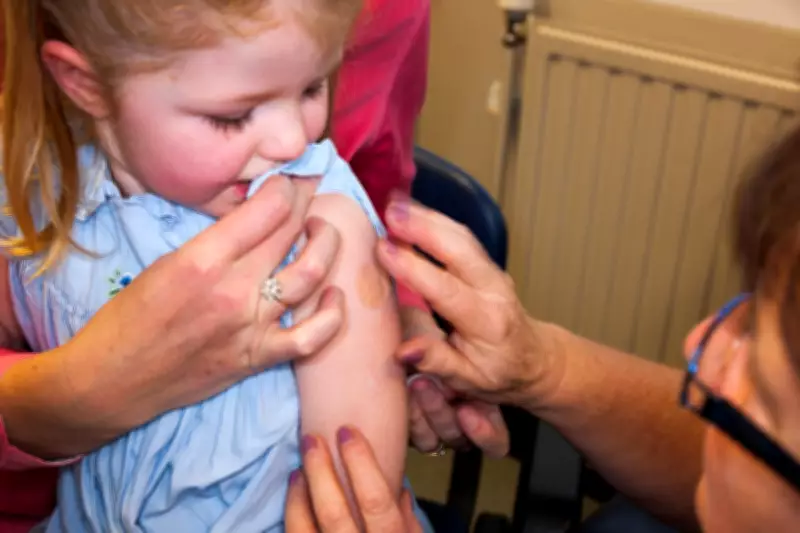
The alarming decline in measles vaccination rates across the UK is sparking a public health crisis, with real and terrifying consequences for families, as highlighted by a recent personal account from London. Karen Ford, a retired health research and policy adviser from Highbury, shares her family's harrowing experience, which underscores the vital importance of herd immunity in protecting the most vulnerable members of society.
The Personal Toll of Falling Immunisation Uptake
In a poignant letter to the Guardian, Ford detailed how her granddaughter, who was too young to receive the measles vaccine, became seriously ill after a chain of health setbacks. Initially hospitalized in late November with respiratory syncytial virus and bronchiolitis, the infant was discharged only to develop pneumonia, followed by a measles rash. This led to an urgent readmission, leaving the family in a state of fear and uncertainty as they held her weak body, unsure of the illness's progression.
Measles is highly contagious and can lead to severe complications, including pneumonia and encephalitis. Moreover, it impairs immune memory, making individuals more susceptible to other infections for months afterward, as Ford's family discovered firsthand. This case illustrates that the risks of low vaccination uptake extend beyond those who delay immunisation, directly impacting babies and others who rely on community protection.
The Broader Implications for Public Health
The outbreak in north London, as reported earlier, reflects a wider trend of vaccine hesitancy driven by online misinformation and access barriers. Ford emphasizes that while some parents may feel hesitant, the consequences are borne disproportionately by the vulnerable, such as infants not yet eligible for vaccines. Her call to action includes the need for supportive measures, such as listening to concerns and facilitating easier access to immunisation services through innovative local initiatives.
This situation highlights critical gaps in health policy, where falling immunisation rates threaten to undo decades of progress in disease prevention. With measles cases on the rise, experts warn that without urgent intervention, similar outbreaks could become more frequent, putting additional strain on the NHS and endangering public safety.
Moving Forward: Strategies to Combat the Crisis
To address this growing threat, Ford advocates for a multi-faceted approach:
- Enhancing community outreach to educate parents about the safety and efficacy of vaccines.
- Implementing flexible and accessible vaccination programs in underserved areas.
- Countering misinformation with evidence-based communication from trusted health authorities.
As the debate over vaccination continues, stories like this serve as a stark reminder of the human cost behind the statistics. Protecting our communities requires collective action and a renewed commitment to public health initiatives that safeguard everyone, especially the youngest and most at-risk populations.




