
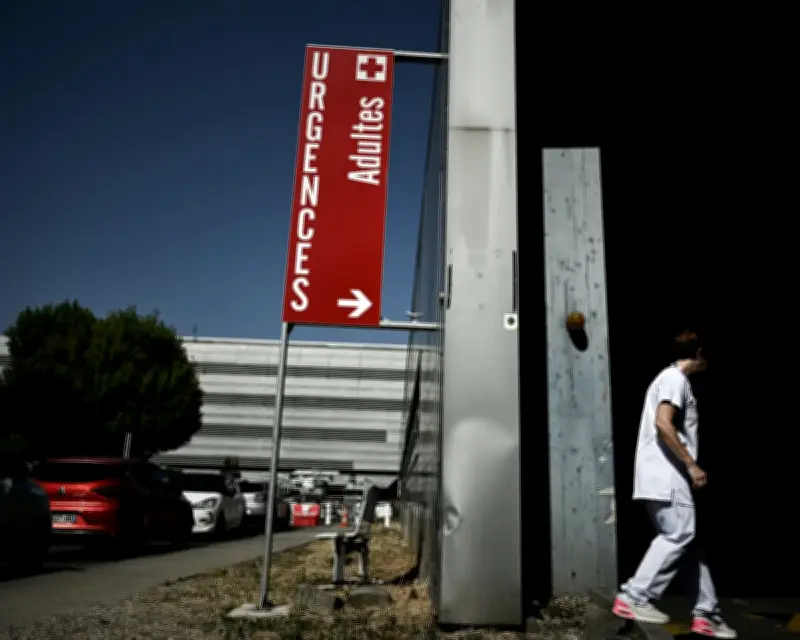
Health professionals across Europe are calling for a coordinated EU climate and health strategy after recent heatwaves overwhelmed hospitals, with France raising its health system to the highest level of emergency mobilisation. In a letter to the Guardian, Mark Wilson, executive director of Health Care Without Harm Europe, and Dr Paul De Raeve, secretary general of the European Federation of Nurses Associations (EFN), warned that extreme heat is becoming a recurring crisis that requires proactive planning, not reactive measures.
Hospitals in crisis across Europe
During June's record-breaking European heatwave, hospitals in England declared critical incidents as machines and IT systems failed. France raised its health system to the highest emergency level, while hospitals in Italy, Spain, and Germany reported surging admissions and cooling systems unable to cope. Staff worked sleep-deprived in sweltering, un-air-conditioned wards, affecting both wellbeing and patient safety.
According to the letter, conditions have become dangerous and systems remain unprepared. The EFN has endorsed the #HandleTheHeat campaign by Health Care Without Harm Europe, as nurses across the continent recognise that responding to extreme heat requires more than emergency measures once temperatures soar.
Warning signs ignored
The warning signs have been evident for years. Nearly half of hospitals in European cities sit in urban heat island hotspots. A 2024 survey of over 1,000 UK healthcare professionals found that more than 90% said heat stress impaired their performance, and nearly three-quarters called existing protections inadequate.
Europe cannot keep reacting to extreme heat after the fact, the letter states. As the World Health Organization launches new heat-health action plans guidance and the European Environmental Agency strengthens climate resilience efforts, the direction is clear: move beyond risk communication to implementation.
Call for EU climate and health strategy
Health professionals across the continent are signing an open letter to the European Commission calling for an EU climate and health strategy, stronger workforce protections, support for low-carbon, climate-resilient healthcare facilities, and more. Extreme heat is not an exceptional event, and Europe's response should stop being exceptional too. Protecting patients and those who care for them must become a core part of climate adaptation policy, not an afterthought.
In a separate letter, Nadine Henderson, principal economist at the Office of Health Economics, highlighted the vicious loop: the climate crisis is a health crisis, and the NHS, as the UK's largest public-sector source of carbon emissions, contributes to climate change. Extreme weather events like heatwaves are likely to become more frequent, yet the NHS 10-year plan has no specific proposals to address carbon emissions or climate adaptation. The intersection of climate resilience and health must be a core component of public health strategy, not a peripheral concern.




