
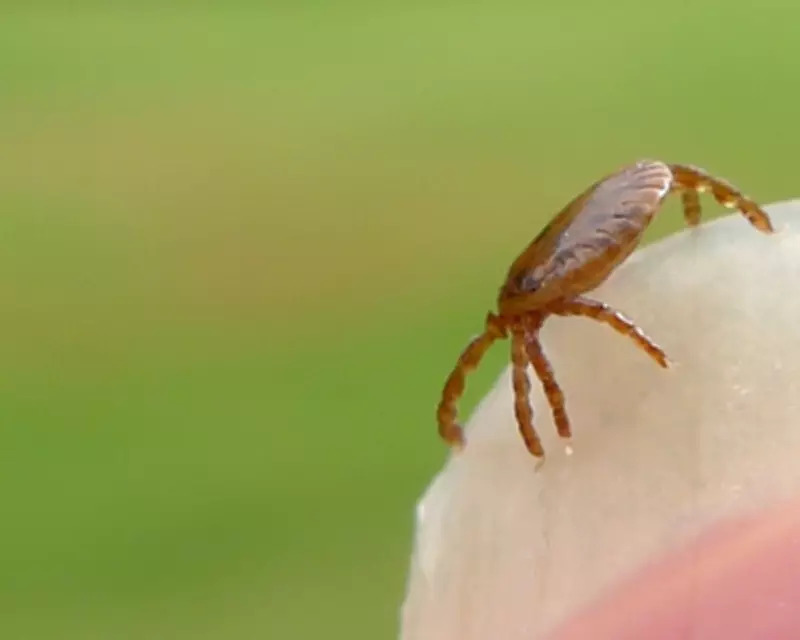
Australian Teen's Death First Fatal Case of Tick-Bite Meat Allergy
A coroner has determined that 16-year-old Jeremy Webb died from a meat allergy caused by a tick bite, marking the first documented fatal case of mammalian meat allergy in Australia. The tragic incident occurred in 2022 while Webb was camping with friends on the New South Wales Central Coast, north of Sydney.
Details of the Tragic Incident
On a June night in 2022, Jeremy Webb began vomiting and experienced difficulty breathing after consuming beef sausages during a camping trip. He urgently sought help by knocking on a nearby camper van window, requesting an ambulance call, before collapsing. Despite his friends administering CPR and the arrival of ambulance officers at 11:26 PM, Webb was declared dead at the hospital just over an hour later. Initially, his death was attributed to asthma, but a coronial inquest has now revealed that an allergic reaction to meat, triggered by a tick bite, caused the acute asthma attack.
Global Rarity of the Condition
Professor Sheryl van Nunen, a clinical immunologist and allergist at the National Allergy Centre of Excellence, noted that this is only the second known fatal case worldwide, with the other involving a 47-year-old pilot in New Jersey who died in 2024. She emphasized that Webb's case is the first globally to be documented in such detail. The inquest was initiated after extensive advocacy from Webb's parents, who aimed to raise public awareness about this rare but deadly allergy.
Understanding Mammalian Meat Allergy
Mammalian meat allergy after a tick bite, known as alpha-gal syndrome in the United States, was first described by allergy specialists in Australia. According to the Australasian Society of Clinical Immunology and Allergy (Ascia), this association has been confirmed by researchers on all six continents where tick bites occur. The allergen, alpha-gal, is a sugar molecule found in tick saliva and gut, as well as in meats like beef, lamb, pork, goat, kangaroo, and venison.
Symptoms and Diagnosis
The allergic response can manifest any time after a tick bite, even months or years later, with symptoms typically appearing three to six hours after consuming meat due to digestion time. Symptoms range from gastrointestinal issues, such as irritable bowel-like discomfort, to welts, swellings, and severe anaphylaxis. Ascia recommends that individuals in tick-infested areas experiencing regular gut discomfort should be screened for alpha-gal allergy, which can also be triggered by mammalian products like milk and gelatin.
Prevention and Resources
Preventing tick bites is crucial, according to Professor van Nunen. If a bite occurs, she advises ensuring proper tick removal and consulting the Tick Anaphylaxis and Mammalian Meat Allergy Resources (Tiara) website for guidance. This case underscores the importance of public education and awareness to prevent similar tragedies in the future.




