
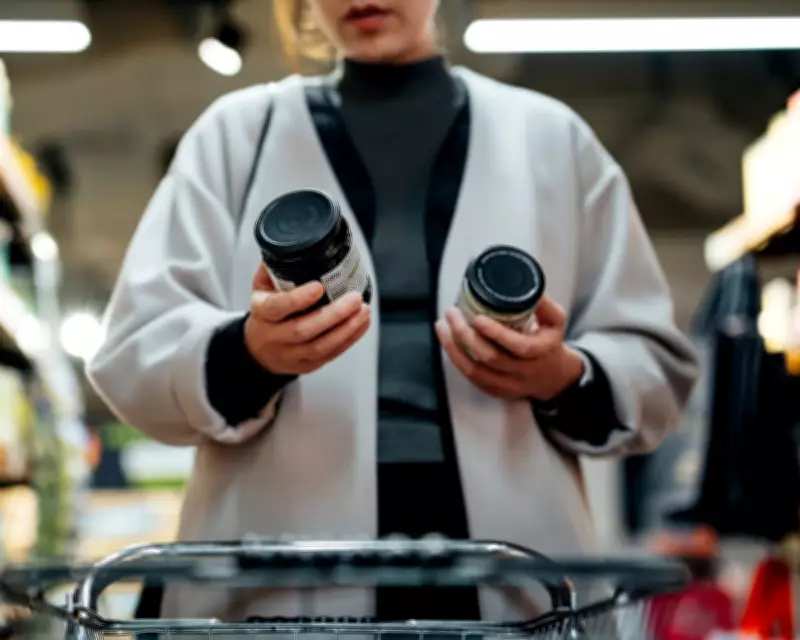
FDA's GRAS Loophole Exposed: Over 100 Unchecked Chemicals in Common US Foods
A comprehensive new analysis of federal records has uncovered a startling reality in the American food system. More than 100 substances widely used in common US foods, supplements, and beverages have undergone no health and safety review by the US Food and Drug Administration. The Environmental Working Group's investigation reveals companies are exploiting regulatory loopholes to introduce potentially dangerous new chemicals into the food supply without proper scrutiny.
Exploiting the GRAS Rule for Unchecked Additives
The investigation centers on the generally recognized as safe (GRAS) rule, originally developed in 1958 to allow ingredients like salt or white vinegar to be used without burdensome review processes. However, companies are increasingly exploiting this rule to send new chemicals and substances into the food system without FDA oversight. The review of FDA records identified 111 substances of unknown safety, with the actual number likely being even higher.
"This is a wake-up call for every American who assumes the FDA is reviewing the safety of chemicals in their food," said Melanie Benesh, report co-author and EWG's vice president for government affairs. "Instead, food and chemical companies are exploiting a loophole to keep both the government and the public in the dark."
Popular Brands Using Substances of Unknown Safety
The substances identified in the investigation are used by numerous popular brands across the food industry. Federal records reviewed by EWG show these chemicals appear in products from Trader Joe's, Whole Foods, PepsiCo, and Casita. Specific products mentioned in the analysis include:
- Capri Sun drinks
- Kettle and Fire organic broth
- Acme smoked fish
- Quaker Oats snack bars
The GRAS system requires companies to demonstrate safety through widely accepted scientific evidence, but notifying the FDA of this data is voluntary. Manufacturers can legally self-determine their products to be safe without independent verification.
Real Health Consequences and Historical Precedents
The dangers of this regulatory gap are not theoretical. In 2022, food made with the GRAS ingredient tara flour was believed to have caused over 300 illnesses and 113 hospitalizations. The report also documents how cola makers originally used GRAS for caffeine, but in the early 2000s, companies added it to highly alcoholic beverages like Four Loko. After numerous injuries and one death, the FDA effectively banned caffeine in alcoholic drinks in 2010.
"This is not a theoretical exercise – this has real life consequences," emphasized Maricel Maffini, an independent food safety consultant and report co-author.
Problematic Extracts and Hidden Dangers
The investigation uncovered 22 extracts from seemingly benign sources like mushrooms, green tea, cinnamon, and cocoa. While these ingredients might appear anodyne and suggest added nutrition, extraction processes change their chemical composition. The substances often don't carry the same nutritional benefits, and their impact on the human body remains largely unknown.
Among the concerning findings:
- Aloe vera extract, linked to cancer if ingested and banned in some medicines due to toxicity
- Purified green tea extract, identified in over 900 products and linked to heart and brain defects, fetal leukemia, and organ toxicity
- Mushroom extract, found in 428 products and linked to liver inflammation
Benesh noted that extracts could be obtained using toxic mediums like benzene or methyl chloride, presenting "complex questions" that aren't adequately addressed in GRAS determinations.
Regulatory Failures and Industry Manipulation
The investigation reveals how companies push the boundaries of what constitutes "widely accepted" science, often providing limited data or reviews from a small number of scientists convened by the companies themselves. Companies don't report which products contain these substances, forcing investigators to cross-check findings with the USDA's FoodData Central database, which covers about 4,000 products.
The database showed 49 of the 111 substances weren't reported at all. "From a regulatory standpoint, you really want someone who understands the science to ask questions and make sure it's safe before the food goes to market," Benesh stressed.
Political Response and Industry Accountability
Robert F Kennedy Jr, the US health and human services secretary, has advocated for fewer chemicals in the food system through his "make America healthy again" movement. While he initially promised to close the GRAS loophole, he's now proposing weaker actions instead.
Tom Neltner, executive director of the Unleaded Kids non-profit, warned that the substances identified in the "impressive" EWG report likely "represent only the tip of an iceberg that undermines our health." Neltner, who previously worked on GRAS and FDA food safety rules, emphasized: "FDA – not industry – needs to be reviewing novel food chemicals for safety. We need Kennedy to fulfill his promise to close a loophole that undermines the integrity of our food supply."
The report serves as a critical examination of how regulatory systems designed to protect consumers are being manipulated by industry interests, potentially putting public health at risk through unchecked chemical additives in everyday foods.




