
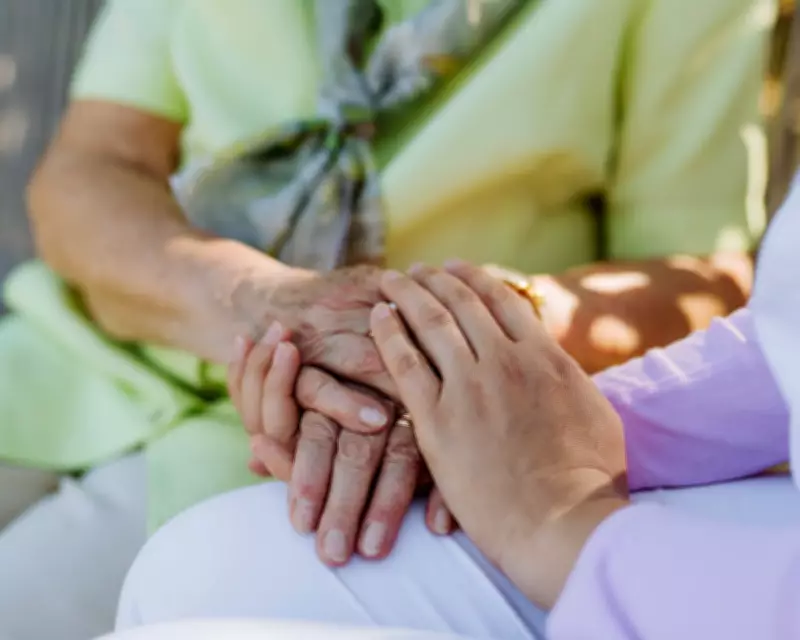
Doctor's Personal Journey Highlights Gender Gap in Family Caregiving
"Anyone who understands the reality will confirm that accompanying a parent to a medical appointment involves far more than just the time commitment," writes oncologist Ranjana Srivastava. As her daughter celebrates her 18th birthday, Srivastava is determined to give her a different future—one where caregiving responsibilities are equally shared with her brothers.
The Front-Row Seat to Caregiving Disparities
As a practicing physician specializing in geriatric oncology, Srivastava has witnessed firsthand the physical, emotional, and financial toll exacted on women who become primary caregivers. Her clinic serves as a microcosm of human relationships, where she encounters couples in enduring marriages, individuals navigating loss, and patients grappling with cognitive decline, organ failure, and profound loneliness.
"We always recommend patients bring another adult to appointments because there's so much information to process," Srivastava explains. "What I've observed consistently is that this accompanying person—when not a spouse—is almost invariably a woman."
These women come in various relationships: daughters, daughters-in-law, nieces, granddaughters, friends, neighbors, and community acquaintances from churches, bingo halls, and bowling alleys. When appointments transition to telehealth due to health complications or weather, these same women typically facilitate the video connections and take meticulous notes.
The Rare Exceptions and Common Patterns
While Srivastava acknowledges meeting dedicated sons in caregiving roles—recalling one man who faithfully accompanied his mother with dementia for five years—these instances remain exceptional. The prevailing pattern reveals a stark gender divide in family care responsibilities.
"It's not unusual to hear a son say, 'I don't know, you'll need to ask my sister,'" Srivastava notes. "Meanwhile, a daughter will immediately produce her detailed diary."
This dynamic creates practical complications, often requiring physicians to interrupt daughters during their brief respite from caregiving duties, typically while they're at work. The resulting frustration leads many daughters to conclude they might as well have attended the appointment themselves.
Medical visits frequently feature multiple daughters collaborating effectively: one asking questions, another taking notes, a third providing eyewitness accounts. "Dad, remember that fall?" or "Mum, let's be honest about your pain" become collaborative efforts that ultimately benefit the patient. Such coordinated support from groups of sons remains conspicuously rare.
The Broader Implications of Unequal Caregiving
This disparity carries significant consequences. Even in contemporary society, women constitute approximately 70% of primary caregivers, contributing an astonishing 2.2 billion hours of informal care annually—valued at nearly $78 billion each year.
The peak age for women to assume caregiving roles is 55, coinciding with numerous life challenges:
- Adult children unable to afford independent housing
- Ageing parents striving to maintain independence at home
- Evolving marital expectations and dynamics
- Significant physiological changes associated with menopause
For women in this demographic, conversations about national affairs often begin with discussions about parental health challenges and medical appointments. While caring for elders is morally right, this responsibility carries substantial costs: reduced working hours, diminished earnings, and increased anxiety.
A Mother's Determined Intervention
Srivastava's heightened awareness of these issues coincides with her daughter's transition to adulthood. "The gift I want to give her is the key to an adult life balancing self-care with service to others," she declares.
Recognizing her daughter's naturally generous disposition, Srivastava feels compelled to encourage her to establish boundaries and ensure caregiving responsibilities are equitably distributed with her brothers. This applies not only to future parental care but also to current grandparent support.
"I don't want my daughter to automatically become the primary planner, helper, and caregiver for every birthday celebration or family emergency," Srivastava emphasizes.
Her proactive approach involves requiring her sons to perform equivalent household chores and develop similar levels of concern for caregiving matters. She hopes these practices will become ingrained habits that they carry into their future family lives.
Envisioning a More Equitable Future
As her daughter approaches driving license eligibility, Srivastava looks toward a future where gender stereotypes have evolved. "I want her to drive me because she happens to be available, not because driving constitutes 'women's work,'" she asserts.
This personal reflection extends beyond individual family dynamics to address systemic patterns affecting countless women. By documenting these observations and advocating for change within her own household, Srivastava contributes to broader conversations about gender equity in caregiving—a discussion with implications for healthcare systems, workplace policies, and family structures worldwide.




