
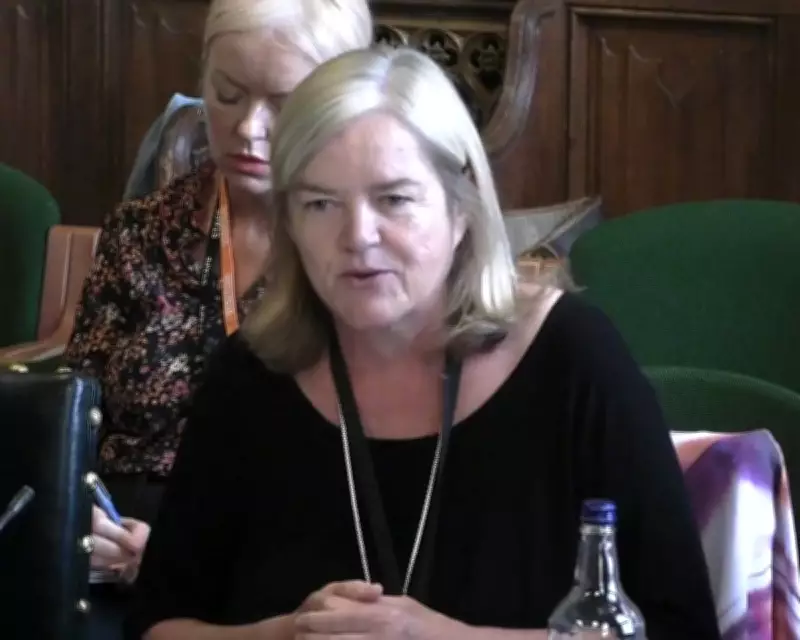
Louise Casey's Social Care Review Exposes Critical Need for Local System Stabilization
Louise Casey has uncovered a fundamental truth that local authorities have been voicing for years: the national care service is destined to fail unless ministers take urgent action to stabilize the local systems that underpin it. This revelation comes from her recent review of adult social care, which has sparked widespread discussion and hope for breaking the long-standing deadlock in social care funding.
Local Authorities Demand Funding Reset and Transition Plan
Key Cities, a cross-party network of UK local authorities, has long called for an urgent funding reset for the social care system. While Casey's proposed reforms are welcomed, a critical gap remains: the absence of a detailed transition plan to enable councils to implement these changes effectively. A key component of the government's NHS 10-year plan must involve a significant expansion of joint commissioning across regional and national scales. This collaborative approach could finally end the costly push-pull dynamics between funders and care providers, laying the groundwork for a seamless transformation from local to national provision.
Councils have been buckling under immense pressure, but they also bring valuable frontline experience and innovative solutions to the table. Years of hands-on work have taught them that prevention is just as crucial as access to urgent care, with many developing effective models that reduce crisis demand. With appropriate powers, councils could build necessary care homes, test new approaches through innovation hubs and pilots, and contribute to a more resilient system. However, none of this is viable without a comprehensive national workforce strategy that aligns social care pay, training, and career pathways to address retention issues and improve prospects for workers.
Community-Based Solutions and Financial Realities
Money is not the primary problem in social care; rather, it is how funds are allocated and spent. Social care for all age groups is a local and community need that should be managed by responsive, community-based organizations. A national or regional approach risks losing the essential community connection, control, and oversight that make care effective. The current privatized system often delivers poor quality care at high costs, crippling local government finances while enriching companies, many of which are based in tax havens. Low wages and poor employment conditions further exacerbate the crisis.
Well-off individuals are often fleeced in so-called luxury care homes that offer hotel-type facilities but subpar care, while those with fewer resources struggle to afford home care or residential fees. Thousands of poor people receive no help at all. Savings could be made by reevaluating institutions like the Care Quality Commission (CQC), which is expensive to run and rarely uncovers issues not already identified by others, while increasing bureaucratic burdens on small, local providers.
Personal Stories and Systemic Failures
Personal accounts highlight the human toll of the care crisis. One 83-year-old woman described the perpetual anxiety over finances as her husband's care home fees deplete their life savings, with bureaucratic hurdles adding stress to her old age. This story underscores the urgent need for a fairer system that does not burden individuals with excessive costs and paperwork.
The funding question has been debated repeatedly since 1997, with governments often avoiding bold solutions due to fear of tabloid criticism. Some suggest merging income tax and national insurance into a progressive tax, arguing that national insurance was designed when life expectancy was much lower. This model could ensure everyone contributes according to their means, providing a sustainable funding base.
A Moment of Reckoning Without Action
Louise Casey rightly notes that social care has never had its "Beveridge moment," unlike the historic report that led to the welfare state. Instead, over 22 major reviews in the past 30 years have consistently identified systemic cracks without resulting in meaningful action. Each report recommends underpinning the system, but governments delay, citing unclear costs or hoping for different outcomes. Meanwhile, elderly and disabled people, along with underpaid care workers, are left to manage with temporary fixes.
Casey calls this a moment of reckoning, but with respect, we have had 22 such moments. What remains lacking is a government willing to act decisively on these insights to create a stable, effective social care system for all.




