
European Cancer Prevention Guidelines Spotlight Air Pollution Crisis in Schools and Energy Systems
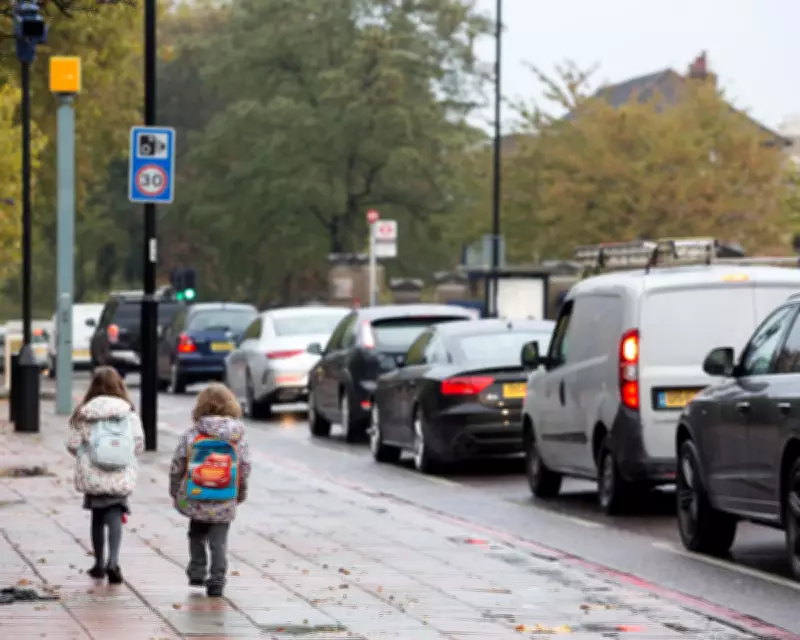
The newly released European Code Against Cancer has placed air pollution firmly at the forefront of public health policy, with scientists and campaigners emphasizing that current measures are insufficient to address the root causes of this pervasive threat. The code specifically advises against locating new schools near busy roads and calls for incentives to install air filters in existing schools situated in high-traffic areas.
Energy Systems Identified as Primary Source of Pollution and Climate Impact
Frédéric Godemel of Schneider Electric in Grenoble, France, argues that while initiatives like limiting wood burning and deploying air filters are positive steps, they fail to tackle the fundamental issue: energy production. Energy accounts for over three-quarters of global greenhouse gas emissions, with fossil fuels releasing harmful pollutants such as fine particulate matter (PM2.5) and nitrogen oxides when burned.
"The way we produce and use energy is a major driver of both climate change and harmful air pollution," Godemel states. "Addressing both requires fundamentally rethinking energy systems." He advocates for a shift toward cleaner energy sources and the adoption of existing technologies like heat pumps and energy management solutions to reduce emissions and improve air quality.
Schools Face Severe Air Quality Risks, Demanding Immediate Action
Ruth Brooker, a campaigner for Clean Air for Kids in Bristol, welcomes the code's focus on schools, noting that children spend most of their day in classrooms and are particularly vulnerable to poor air quality. Most schools are already located in areas where PM2.5 levels exceed World Health Organization recommendations, linking to cancers and respiratory diseases.
"Installing air filters in schools is a cost-effective solution that will remove harmful particulates from the air and also remove the pathogens that cause illness," Brooker explains. A study in Milan demonstrated that air filters decreased student absenteeism by more than 10%, while research in the US and UK showed improved academic performance and concentration with better indoor air quality.
Brooker emphasizes that for less than ten pounds per child per year, governments can ensure children have the right to breathe clean air, comparable to access to clean water. The code's recommendations are seen as simple, actionable steps that could yield quick financial and health benefits.
Call for Systemic Change Beyond Individual Behavior Adjustments
Both contributors stress that improving air quality requires more than tightening pollution standards or encouraging individual behavior changes. Godemel highlights the need for large-scale measures, such as electrifying energy-intensive sectors like industry, transport, and buildings, to reduce dependence on fossil fuels and related pollutants.
"Improving air quality therefore requires more than tightening pollution standards or individual behavior changes," Godemel concludes. "It requires accelerating the transition to cleaner, efficient energy systems." This holistic approach aims to mitigate climate-related health issues by addressing pollution at its source, rather than relying solely on mitigation tactics like air filters.
The European Code Against Cancer serves as a critical reminder that air pollution is not just an environmental concern but a direct threat to public health, necessitating coordinated efforts across education, energy, and policy sectors to protect vulnerable populations and foster long-term well-being.




