
Basic Healthcare Interventions Prove Critical in Reducing Preventable Infant Deaths
A recent Unicef report on child mortality reveals a troubling stagnation in progress, with the majority of childhood deaths in 2024 being entirely preventable. The burden of these tragedies is disproportionately borne by regions like sub-Saharan Africa and south Asia, which account for over 80% of global under-five fatalities.
Neonatal Conditions and Systemic Failures
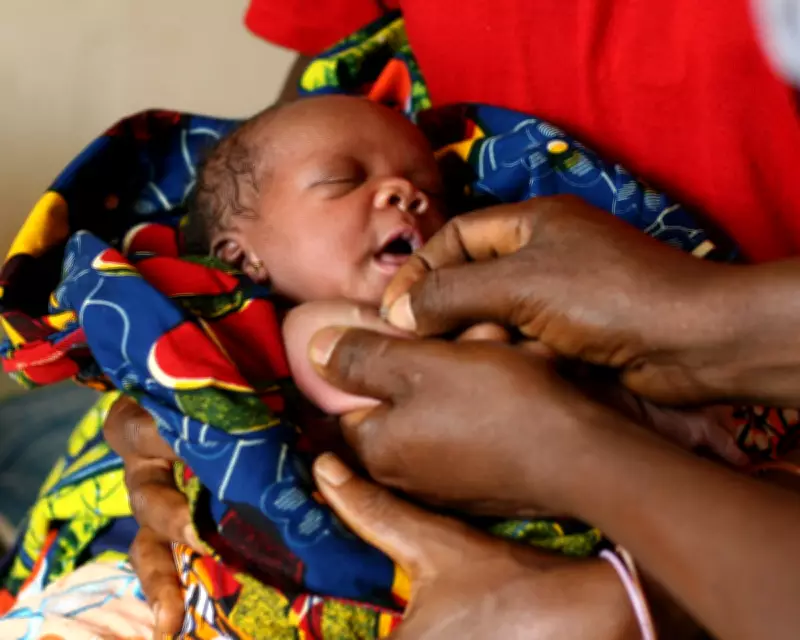
Neonatal conditions are responsible for more than one-third of deaths in children under five years old. In many fragile healthcare systems, public birth facilities often fail precisely when mothers and newborns need them most, leaving survival outcomes to mere chance. The barriers to effective care are consistently tragic and include:
- Delays in deciding to seek medical assistance
- Challenges in reaching a healthcare facility
- Inadequate or untimely care upon arrival
- Failure to recognize complicated cases and provide prompt referrals
Dr. Farhana Zareef emphasizes that stopping these preventable deaths does not require miraculous new inventions but rather addressing the most dangerous gaps in basic care. A modern delivery room remains useless if its doors are locked at night, and a stockroom full of medicines is pointless without trained professionals to administer them. Even the best-equipped clinics cannot function if basic utilities like electricity are unreliable.
Success Stories from Pakistan
Pakistan offers a compelling example of how focusing on fundamentals can yield dramatic results. In 2012, one in every 11 children in Punjab died before reaching their fifth birthday. With targeted support, the government implemented basic healthcare improvements, leading to an increase of over 350,000 facility deliveries annually within just three years. This volume even surpassed that of the NHS in the UK.
These efforts contributed to a remarkable 35% reduction in infant mortality rates by 2024. Similarly, in Sindh, delivery rates at public facilities have more than doubled since 2017. This transformation was achieved not through high-tech solutions but by consistently executing basic healthcare practices effectively.
A Call to Action
The Unicef report must serve as a urgent wake-up call for global health systems. No woman should have to depend on luck to survive childbirth, and no baby should die due to the absence of basic care that we already know how to provide. Ensuring reliable protection for mothers and infants requires a steadfast commitment to filling these fundamental gaps in healthcare delivery worldwide.




