
Australia's Childhood Vaccination Rates Show Worrying Decline
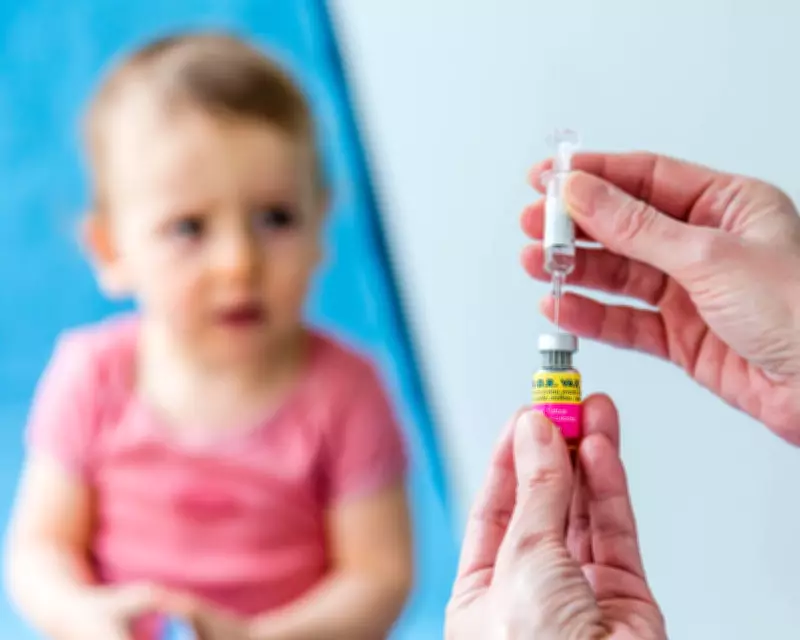
Australia's childhood vaccination rates have experienced a concerning decline since reaching record highs in 2020, according to new research and government data. The National Vaccination Insights project reveals that parental acceptance of routine childhood vaccines has decreased compared to previous years, with practical barriers being joined by growing concerns about vaccine safety and efficacy.
Survey Reveals Shifting Parental Attitudes
The nationally representative survey of more than 2,000 parents of children under five found significant changes in vaccination attitudes between 2024 and 2025. While practical difficulties like cost and travel remained important factors, the 2025 data showed parents becoming increasingly influenced by beliefs and concerns about vaccines themselves.
"What I do think the information environment does is it amplifies and validates people's concerns," said Dr Jess Kaufman, the National Vaccination Insights project lead researcher. "So people who are on the fence already might be finding a lot more messaging that aligns with their worries and that can make them a little bit more hesitant."
The survey revealed that 14% of Australian parents reported hearing recent information about childhood vaccination that worried them. Among the misinformation circulating were debunked links between childhood immunisation and autism, as well as disparaging comments about vaccines made by former US president Donald Trump.
Declining Trust and Rising Concerns
Trust in healthcare providers' information declined from 6.4% to 8.8% among surveyed parents, while those reporting they didn't believe vaccines were safe increased from 6% to 8.3%. The most substantial increases in concerns occurred among parents of partly vaccinated children - those whose children received some vaccines but not others.
"Some parents concluded that if childhood vaccination was 100% safe, there wouldn't be all this contradictory information circulating," Kaufman explained, highlighting how the current information environment contributes to vaccine hesitancy.
Vaccination Rates Fall Below Herd Immunity Targets
Australia's record high childhood vaccination rate of 2020 - which surpassed the government's 95% target that provides herd immunity - has steadily declined in the years following the Covid-19 pandemic. Current government data shows only 93.17% of all five-year-olds are fully vaccinated, with rates dropping to 89.57% for two-year-olds and 91.54% for one-year-olds.
Between two months and five years, Australian children can receive free vaccines through the government's National Immunisation Program, covering 18 vaccine-preventable diseases including hepatitis B, diphtheria, whooping cough, meningococcal, polio, mumps, measles and rubella.
Increased Disease Risks and Community Concerns
Many Australian states face increased risk of vaccine-preventable diseases, particularly measles, as people return from overseas holidays in countries experiencing outbreaks. Professor Catherine Bennett, Deakin University chair of epidemiology, noted Australia has seen an expansion of networks within the population less likely to get vaccinated.
"If someone in one of these communities were to catch measles - which is caused by one of the world's most infectious known viruses - the disease could move into a community quite quickly," Bennett warned, adding that "it's down to luck now that we aren't seeing more local transmission."
Healthcare Professionals Respond to Concerns
Dr Michael Wright, president of the Royal Australian College of General Practitioners, acknowledged the challenges created by vaccine success: "One of the difficulties is, as over time vaccines have been so successful that many of us have never seen kids who have been crippled with polio or people who've gotten incredibly sick or died from measles."
Wright emphasized that while parents may find vaccination distressing, "the distress of the vaccine is nothing compared to catching one of these diseases if you're unfortunate to get one." He encouraged parents with concerns to have conversations with their GPs, particularly given the prevalence of online misinformation.
Government Response and Future Strategies
Health Minister Mark Butler described the decline in childhood vaccination as "alarming" and noted that governments worldwide are grappling with similar challenges. "The Australian government is engaging immunisation experts about reinforcing the message to parents and improving access and affordability to increase vaccination rates," he stated.
Kaufman identified the partly vaccinated group as presenting a key opportunity for intervention, noting that tailored strategies are needed to rebuild trust. "A key aspect of improving trust in the health system is delivering good quality, consistent and accessible services," she emphasized, highlighting the importance of supportive, empathetic conversations between healthcare providers and concerned parents.
The 2025 survey found that 32% of parents reported feeling distressed about vaccinating their children as the most significant barrier, though this included parents who still chose to proceed with vaccination. Researchers stress that addressing both practical barriers and information concerns will be crucial to reversing the current decline in Australia's childhood vaccination rates.




