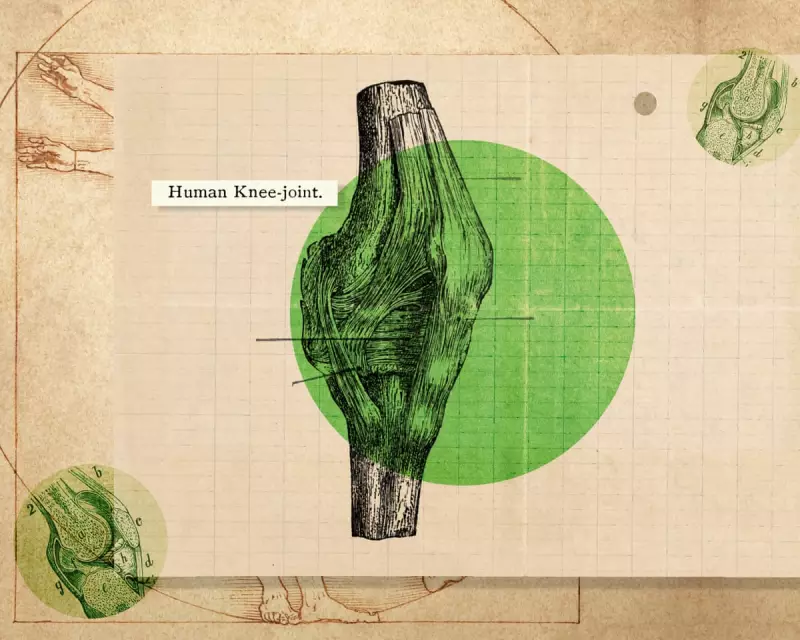
Among the body's lower joints, the knee stands out as the one most prone to sending people to seek professional help. This hinge joint bears the brunt of our body weight and lacks the inherent stability of a ball-and-socket structure, making it uniquely vulnerable.
Why Knees Are So Vulnerable to Damage
Physiotherapist Dr Jillian Eyles from the University of Sydney explains that the knee's design is a key factor. "It relies heavily on the surrounding ligaments, joint capsules, and muscles for stability," she says. "This makes it fairly easy to injure compared to a more supported joint."
This susceptibility is a primary driver behind the staggering number of knee replacements performed each year. In Australia alone, more than 53,000 such surgeries are conducted annually, with projections indicating this figure will more than double by 2030. A major contributing factor is knee injury, which substantially raises the risk of developing knee osteoarthritis, often at a younger age.
Practical Strategies for Knee Protection
Experts agree that proactive care is essential for maintaining knee health and avoiding surgical intervention. Their advice centres on several core principles.
1. Prioritise Injury Prevention
Serious injuries, such as a tear of the anterior cruciate ligament (ACL), can have long-lasting consequences, as seen with football star Sam Kerr's year-long absence. Physiotherapist Dr Kathryn Mills of Kensington Physiotherapy and Macquarie University emphasises the importance of a proper warm-up. "This isn't just a quick run and stretch," she clarifies. "It's a designed programme that trains how your muscles work and how your brain activates them."
Effective warm-up activities to help prevent ACL injuries include squats, walking lunges, high-knee running, and side-to-side jumps.
2. Maintain a Healthy Body Weight
As a primary load-bearing joint, the knee endures cumulative stress over a lifetime. Professor Rana Hinman, a research physiotherapist at the University of Melbourne, highlights the impact of excess weight. "If you're putting a lot of load on those joints – which can come from body weight – that can be a major contributor to damage," she states. Maintaining a healthy weight reduces both mechanical load and inflammation.
Dr Eyles adds that evidence strongly supports weight loss for pain relief. For individuals who are overweight and experience knee pain, losing even a small percentage of body weight can significantly reduce symptoms and osteoarthritis progression.
3. Stay Active with Smart Training
Keeping the joint moving is crucial, according to APA sports physiotherapist Associate Professor Natalie Collins from the University of Queensland. She recommends at least 150 minutes of moderate activity weekly, plus resistance training twice a week. "This builds your muscles' capacity for daily tasks like squatting, using stairs, or playing sport," Collins advises.
Simple exercises like squats, lunges, or repeatedly standing up from a chair are excellent starting points. For those with gym access, leg extensions and leg curls effectively strengthen the crucial quadriceps and hamstring muscles that support the knee.
4. Introduce New Activities Gradually
The pandemic surge in running-related injuries serves as a cautionary tale. Physiotherapist Dr Michael O'Brien from La Trobe University warns against doing too much, too soon. "Everyone just got into running or walking and did a lot of it very quickly, leading to sudden onset pain," he observes.
The key is gradual exposure. Dr Mills suggests a methodical approach: "Start off really small, and every week you can increase by somewhere between about 10% and 30%. You'll make consistent improvement without overloading the joint."
By understanding the knee's inherent vulnerabilities and implementing these expert-backed strategies—focused on prevention, weight management, targeted strength, and sensible progression—individuals can significantly bolster their joint health and reduce their risk of pain and future surgery.