Emergency Services Respond to Major Motorway Incident
Emergency workers were called to a significant 15-vehicle crash on the M73 motorway in Scotland on Sunday evening, resulting in five people being taken to hospital. The incident, which occurred shortly before 11:30 PM, led to the closure of the northbound road between J2 Baillieston Interchange and J2A Gartcosh Interchange for several hours.
Details of the Collision and Response
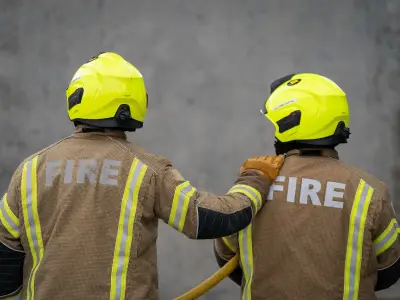
The Scottish Fire and Rescue Service (SFRS) deployed three fire appliances and a heavy rescue unit to the scene. A spokesperson from the Scottish Ambulance Service reported that they received a call at 11:21 PM and dispatched six ambulances along with two special operations response teams (SORT).
Patients were transported to multiple hospitals:

- Two patients were taken to Queen Elizabeth University Hospital.
- Two patients were admitted to the Royal Hospital for Children.
- One patient was transferred to Glasgow Royal Infirmary.
Additionally, three other individuals received treatment at the scene and were subsequently released. The crash involved a total of 15 vehicles, prompting Amey SW Trunk Roads to advise motorists to avoid the area.
Road Closure and Cleanup Operations
Following the collision, the northbound section of the M73 was closed to facilitate emergency response and investigation. Vehicles were recovered by approximately 3 AM on Monday, with police requesting a sweeper to clear debris from the roadway.
Traffic Scotland later confirmed that the road had been fully cleared and reopened shortly before 4 AM, restoring normal traffic flow. The swift response from emergency services helped manage the situation, although the cause of the crash remains under investigation by authorities.
Police Scotland has been contacted for further comment on the incident, which highlights the ongoing challenges of road safety on major motorways. This event underscores the critical role of emergency preparedness in handling large-scale accidents, particularly during nighttime hours when visibility and conditions can pose additional risks.