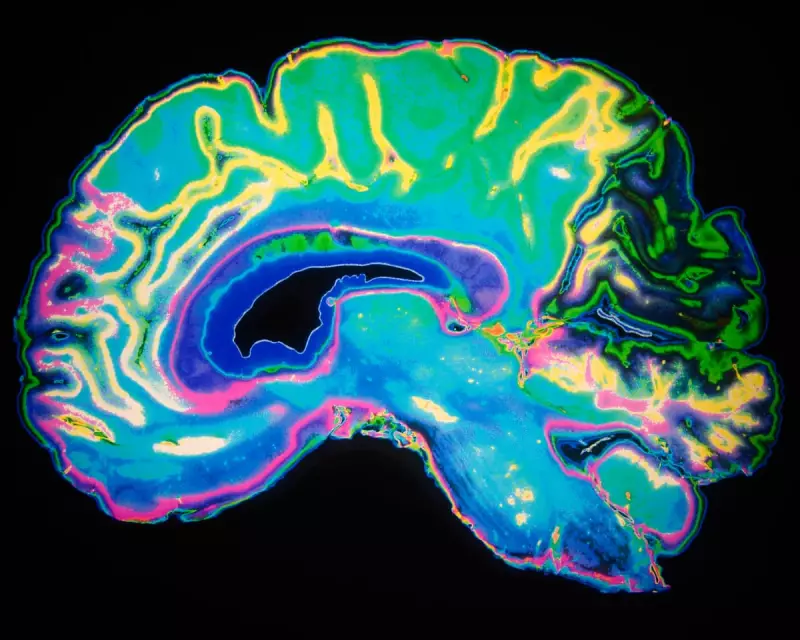
A groundbreaking study from Cambridge University has identified five distinct epochs of human brain development, yet readers have noted a concerning pattern in how the findings are reported.
The Overlooked Later Stages
The research reveals that the human brain progresses through five significant developmental phases, with what scientists term the 'adult mode' not beginning until the early 30s. However, as reader Dave Headey from Faringdon, Oxfordshire, pointed out in his letter to the Guardian, the final two epochs received merely a single sentence of attention in coverage.
This pattern of overlooking later life stages resonates with many older readers who feel their experiences are frequently treated as footnotes in scientific discourse and media reporting.
Broader Concerns About Representation
The brain study discussion forms part of a wider collection of letters touching on various aspects of British life. Lynn Brooks from Kirkburton, West Yorkshire, raises ongoing concerns about 'levelling up' promises, specifically referencing the 26-year-old stage curtains at the Royal Opera House and contrasting this with the continued wait for improvements at Huddersfield town hall.
Meanwhile, other correspondents share their favourite Guardian headlines, including Dr Richard Carter from Putney, who recalls 'Queen in brawl at Palace' from a football match involving Gerry Queen at Crystal Palace.
Everyday Concerns and Missed Opportunities
The letters section also captures the quintessential British debate about breakfast preferences, with Brian Stevenson from Manchester challenging Adrian Chiles' view that Eggs Benedict represents the pinnacle of posh breakfast options.
In a poignant example of what might be considered grieving nominative determinism, another reader from Steyning, West Sussex, signs off as 'I Grieve', expressing regret at missing the deadline for the newspaper's recent discussion on aptly named individuals.
These diverse perspectives collectively highlight how scientific research intersects with everyday concerns, particularly regarding how different life stages and demographic groups receive attention - or lack thereof - in both media coverage and public policy.