
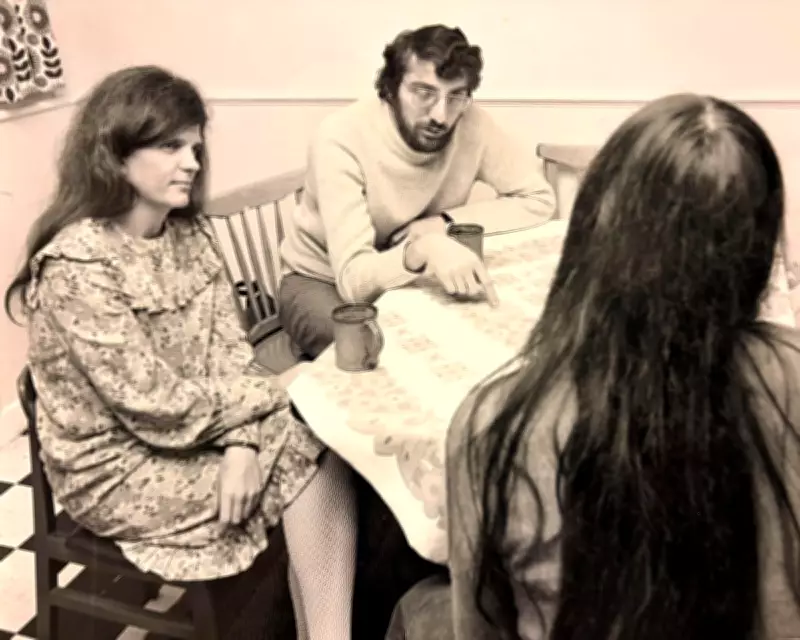
Sally Berry: A Legacy of Compassion and Innovation in Social Work
Sally Berry, a pioneering figure in British social work and community care, has died at the age of 78. Her career spanned over five decades, during which she revolutionized approaches to supporting vulnerable individuals and families across the United Kingdom. Born in 1948, Berry dedicated her life to advocating for dignity, empowerment, and systemic change within social services, leaving an indelible mark on the field.
Early Career and Foundational Work
Berry began her journey in social work in the 1970s, a time when institutional care was often the norm for many with disabilities or mental health issues. She quickly became a vocal critic of this model, championing community-based alternatives that prioritized integration and personal autonomy. Her early work focused on developing localized support networks, which she argued were more effective and humane than large-scale facilities.
In the 1980s, she played a key role in shaping policies that shifted funding and resources toward community care programs. This included initiatives to provide home assistance, day centers, and tailored support plans, allowing individuals to remain in their own homes and communities. Berry's advocacy was instrumental in the gradual decline of long-stay hospitals and the rise of person-centered care models.
Key Contributions and Lasting Impact
Throughout the 1990s and 2000s, Berry continued to innovate, founding several non-profit organizations that focused on marginalized groups, including elderly people, those with learning disabilities, and individuals experiencing homelessness. She emphasized collaborative approaches, working closely with healthcare professionals, local authorities, and community volunteers to create holistic support systems.
Her methods often involved:
- Empowerment-focused strategies: Encouraging clients to take an active role in their care plans.
- Training and mentorship: Developing programs to educate new social workers on ethical practices and community engagement.
- Policy advocacy: Lobbying for legislative changes to improve funding and standards in social care.
Berry's work received numerous accolades, including awards from professional bodies and recognition in government reports. Colleagues describe her as a tireless campaigner who combined practical solutions with a deep commitment to social justice.
Personal Life and Tributes
Beyond her professional achievements, Berry was known for her warmth and dedication to her family. She is survived by her husband, two children, and four grandchildren, who remember her as a loving and inspirational figure. In her later years, she remained active in advisory roles, contributing to research and public discussions on aging and care.
Tributes have poured in from across the social work community, with many highlighting her ability to bridge gaps between theory and practice. One former colleague noted, "Sally didn't just talk about change; she built it from the ground up, always with a focus on the people she served." Her legacy is evident in the continued evolution of UK social services, which increasingly reflect her vision of compassionate, community-oriented care.
Sally Berry's passing marks the loss of a visionary leader, but her influence endures through the countless lives she touched and the systems she helped transform. Her story serves as a reminder of the power of dedicated individuals to drive meaningful progress in society.




