
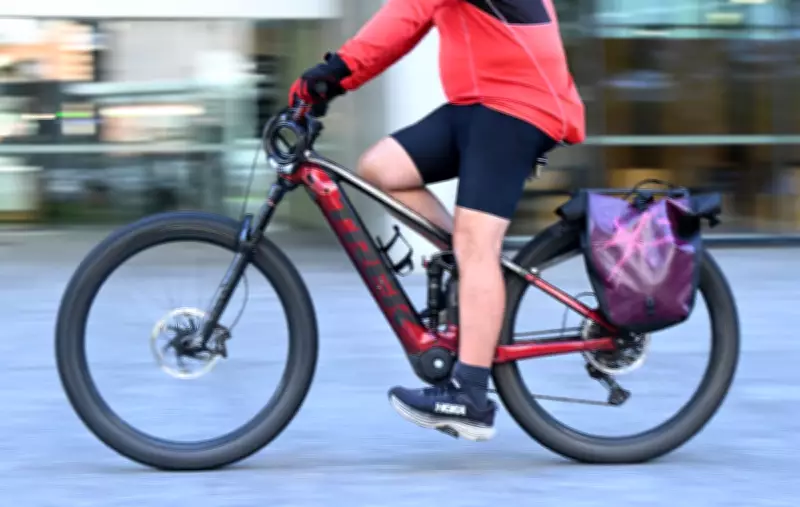
Queensland's Proposed E-Bike Legislation Sparks Outcry Over Disability Exclusion
Critics are slamming Queensland's proposed e-bike laws, arguing they would effectively lock numerous individuals – including those with disabilities – out of essential transport access. This controversy emerges even as a fuel shortage crisis significantly boosts demand for electric bicycles across the state.
Personal Stories Highlight Accessibility Concerns
For 12-year-old Maggie from Rockhampton, her modified e-bike represents freedom and independence. Maggie, who has a form of dwarfism, cannot push a non-powered bicycle, walk long distances, or carry heavy items like school books or shopping bags. "It gives her the possibility of keeping up with her peers," explained her mother, Krysten Thompson, noting that improved bike paths could one day allow Maggie to ride to school.
However, proposed legislation threatens this mobility. Andrea Herklots, from the Brisbane-based business EveryBody eBikes, which produces modified e-vehicles for people with disabilities in Australia, the US, and Canada, expressed deep concern. The legislation includes a requirement that riders be "medically fit to drive" a car, which Herklots fears would exclude many from transport options.
Government Legislation Details and Response
Queensland's Transport Minister, Brent Mickelberg, announced on Tuesday that the government would introduce legislation this week implementing recommendations from a recent parliamentary inquiry. The new rules would require e-bike riders to be over 16 years old, hold at least a learner's licence, and be medically fit to drive. Mickelberg stated this would "ensure that only those who have the capacity to operate these devices do so." He acknowledged this would disadvantage some current users unable to drive.
The legislation will exempt traditional mobility devices like powered wheelchairs and mobility scooters. However, Herklots emphasized that many individuals seek e-bikes for active mobility, including those who may not be officially recognized as having a disability, such as stroke survivors or people with brain injuries. "It's the people that are marginalized that really need the pedal assist; they're the ones that may not be able to ride an unpowered bike," she said.
Additional Restrictions and Industry Backlash
The proposed laws also introduce a new 10km/h speed limit on footpaths and create fines similar to driving offences, including penalties up to $1,909 for speeding over 40km/h. Matthew Burke, CEO of Bicycle Queensland, voiced strong opposition to these measures. While supporting enforcement against illegal e-motorbikes, Burke argued that licensing requirements are unnecessary, stating, "Your chances of killing a large number of other humans with the device you are riding or driving is infinitesimally smaller on an e-bike than it is in a heavy goods vehicle."
Burke warned the legislation could limit transport for those who can never drive, such as people with epilepsy, or those banned for offences like drink-driving. He criticized the approach as reflecting "motonormativity" or "car brain," a worldview prioritizing car use over alternatives.
Fuel Crisis Context and Broader Implications
The timing of this legislation is particularly contentious given the current fuel shortage crisis, which has driven many Australians to seek alternative transport like e-bikes. Burke noted that bike shops are experiencing surging demand, but the proposed laws could "really curtail" growth in active transport. "It's going to restrict safe, legal e-biking in a way we think is pretty unfair and pretty dumb, at a time when we should be encouraging everyone to get on a bike as a response to the fuel crisis," he asserted.
When questioned about improving car safety, Minister Mickelberg highlighted a $9 billion investment in the Bruce Highway. Critics, however, argue that the government's focus should also include inclusive, sustainable transport policies that accommodate all residents, especially during emergencies like fuel shortages.
As debates intensify, stakeholders continue to advocate for revisions to ensure Queensland's e-bike laws do not inadvertently exclude vulnerable populations from essential mobility solutions.




