
In a significant shift for a key support programme, the Motability scheme has announced it will immediately stop offering premium cars like BMW and Mercedes-Benz. The move is part of a new strategy to prioritise British-built vehicles, with a target for half of its fleet to be sourced from UK factories by 2035.
Supporting British Jobs and Manufacturing
Chancellor Rachel Reeves endorsed the change, stating it would "support thousands of well-paid, skilled jobs" across the country. The announcement comes ahead of the government's budget and signals a renewed focus on bolstering the domestic automotive sector.
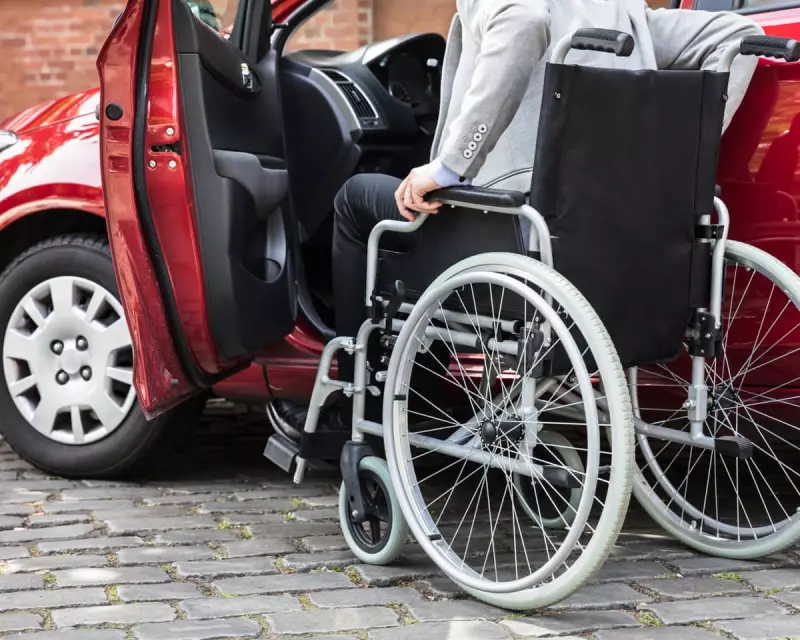
The Motability scheme, which has operated for decades, helps disabled people with the extra costs of mobility by leasing them adapted vehicles. It currently provides around 800,000 cars, with about 300,000 new leases arranged each year.
Focus on Value and Purpose
The decision to remove premium brands comes despite the fact that these models, which numbered roughly 40,000 or 5% of the total fleet, were funded by disabled drivers themselves at no extra cost to the taxpayer. Motability Operations, the company running the scheme, stated the change will allow it to "focus on vehicles that meet disabled people's needs and represent value and purpose."
This strategic pivot opens the door to substantial new investment in UK car manufacturing. Last year, only 22,000 vehicles leased through the scheme were British-built. To meet its 2035 target, that number would need to soar to approximately 150,000 vehicles annually.
A Welcome Boost for the UK Automotive Sector
The prospect of over 100,000 additional guaranteed sales is a major positive for an industry that has faced years of decline and factory closures. UK car production has been struggling, with output this year potentially slumping below 700,000 units due in part to a cyber-attack that halted production at Jaguar Land Rover.
Andrew Miller, Chief Executive of Motability Operations, said: "Working with government and the automotive sector, we want to do even more to support the economy and our ambitious commitment should put British car manufacturing into top gear."
Early beneficiaries will include Japanese manufacturers with UK plants. Nissan, which builds cars in Sunderland, will see its number of vehicles bought by Motability double. Toyota's factory in Burnaston, Derbyshire, is also well-positioned to benefit. Furthermore, the move provides a strong incentive for BMW to proceed with the production of electric Mini models at its Oxford plant.
James Taylor, Managing Director of Nissan GB, welcomed the commitment, saying: "Nissan welcomes Motability's commitment to buy British-built cars and its support for UK manufacturing. As a longstanding partner, we recognise the crucial role the Motability scheme plays in helping disabled people remain mobile and independent."




