
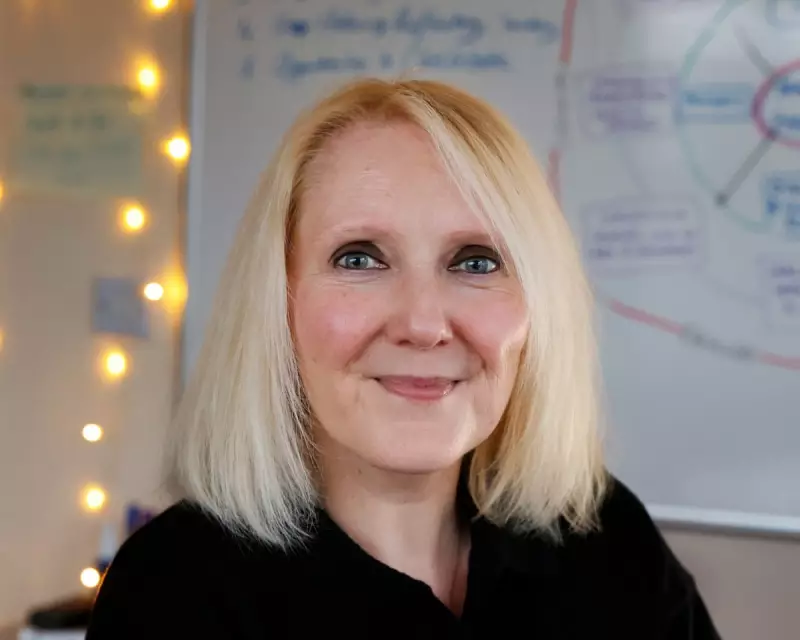
The chief executive of a leading Scottish disability charity has publicly refused an MBE, accusing the UK government of demonising and scapegoating disabled people through its policies.
A Honour Declined on Principle
Tressa Burke, who has led the Glasgow Disability Alliance (GDA) for nearly two decades, was recommended for the award by the Prime Minister for her services to people with disabilities. Under her leadership, the organisation has grown into a major national voice, supporting over 5,000 members in Scotland's largest city.
However, in a letter to the Cabinet Office seen by the Guardian, Burke stated she could not accept the personal honour while disabled people were being "so dishonoured". She emphasised her decision was not a criticism of colleagues who have accepted similar awards, but a stand against a political climate she finds intolerable.
Budget Day Decision Fuelled by Policy Concerns
Burke revealed she received the recommendation letter on the day of the UK budget, which introduced stricter assessments for Personal Independence Payments (PIP), froze or reduced Universal Credit health top-ups, and cut the Motability scheme.
"The budget was an opportunity to send out a signal not about how much disabled people cost but about how much disabled people are worth and are valued by society," Burke wrote. Instead, she argued, it "supercharged the inequalities and unfairness disabled people face".
She directly accused consecutive governments of using disabled people as scapegoats for political choices and policy failures, a narrative she says is being amplified by far-right attacks and widespread misinformation.
Focus on Collective Power Over Individual Praise
Burke, who will mark 20 years at the GDA helm in May, also expressed unease with the individualisation of her charity's achievements. She stated her greatest pride lies in the collective power of the GDA's board, staff, and thousands of members.
"The peer support that members give each other, the friendships that have sprung up, people have even got married … that’s just something to be proud of," she said. "It feels like being part of a family for thousands of people."
While acknowledging that Scotland is performing better than the UK overall on disability issues, Burke said her members will be watching closely for the practical implementation of the Scottish government's new disability equality plan and manifesto commitments ahead of May's Holyrood elections.




