
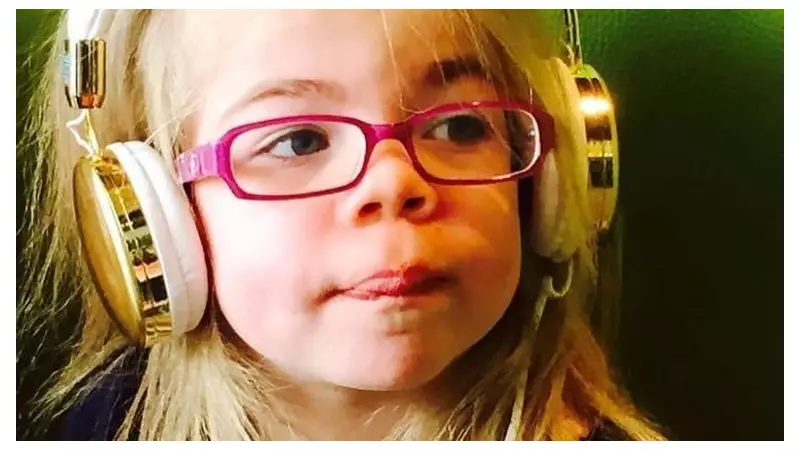
The day before his daughter's fourth birthday, Darren Scott's world shattered. Summoned to a Glasgow hospital room where five doctors stood waiting, he and his wife received a diagnosis that would change their lives forever.
A Diagnosis Delivered 'Like a Thunderbolt'
Darren and his wife were told their bubbly, horse-obsessed little girl, Sophia, had Sanfilippo syndrome, an ultra-rare genetic condition often termed childhood dementia. The prognosis was devastating: Sophia was unlikely to live beyond the age of 16.
"It was delivered like a complete thunderbolt," Darren Scott told Sky News in a highly emotional interview. "We were told... there was nothing they could do. It was a moment that broke us, shattered our lives. We have never recovered."
The family, from Glasgow, say they were given an information sheet and a phone number before being sent home. "We were left on the street, vomiting outside the hospital, collapsing, being told our daughter was going to die," the 46-year-old father recalled.
The Slow, Heartbreaking Decline
The diagnosis came after Sophia's nursery raised concerns about her reading abilities regressing. What followed was a slow, cruel decline. A once lively child who loved ballet, swimming, and skiing, Sophia is now 15 and unable to speak, eat, or walk by herself.
"Life has been robbed and stolen from Sophia," Darren said. "My little girl... is having her life slowly and surely drained from her every day. I have to sit and watch that."
He described the agony of her losing her speech: "Those last words begin to fade and you try to hold on to them."
Families 'Catastrophically Failed' by System
Sanfilippo syndrome is one of more than 140 rare neurodegenerative metabolic conditions. There is no official data on how many children in the UK live with childhood dementia, but campaigners at Alzheimer Scotland estimate at least 400 young people in Scotland alone are affected.
A recent report concluded that parents and children dealing with these conditions are being "catastrophically failed" due to a profound lack of knowledge, understanding, and support.
Jim Pearson of Alzheimer Scotland, who chairs Childhood Dementia Scotland, told Sky News that misdiagnosis is common. "Children are often diagnosed with conditions like ADHD or potentially autism. Parents often have to fight... that journey for families can sometimes take two or three years," he explained.
Darren Scott's experience echoes this. "There is no support, there is no funding, there is no research, there are no trials," he said, drawing stark comparisons with the resources available for adult dementia.
He has travelled the world in a frantic search for a cure, but time is running out. Sophia turns 15 in February, perilously close to the average life expectancy she was given. "It's criminal that we were given that timeline as it's forever embedded in our heads in this race against time that we're losing," Darren said.
While the family says clinical trials may finally be on the horizon, for Sophia, whose condition is now advanced, they fear it could be too late.




