A Devastating Diagnosis at Twenty-Three
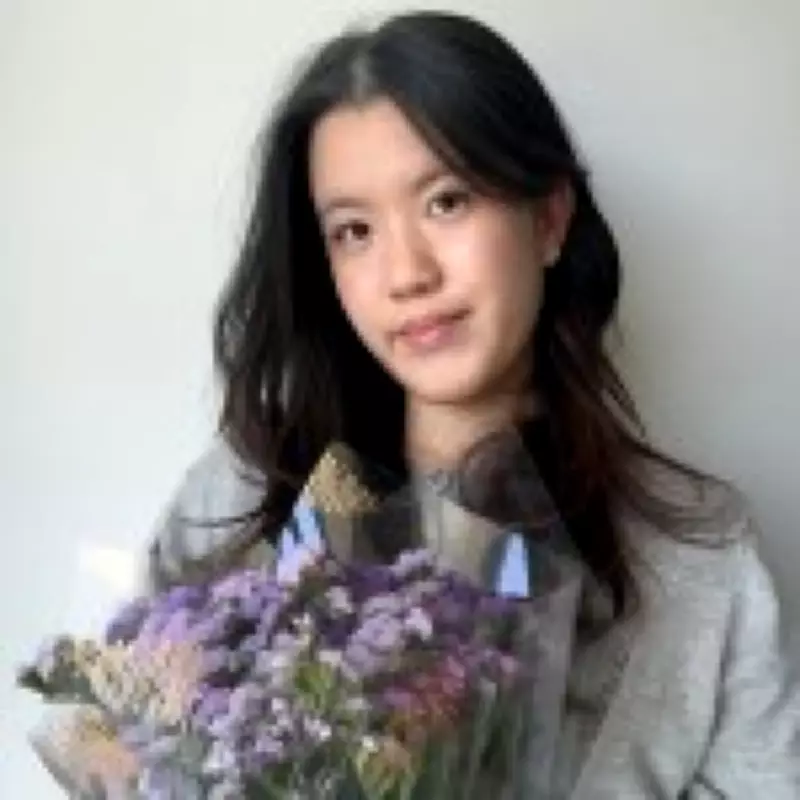
"Unfortunately, you've got endometrial cancer." Those chilling words echoed in the doctor's office in October 2025, as twenty-three-year-old Sarah Lai sat beside her friend Carly, consumed by shock and disbelief. Her physician explained that endometrial cancer was exceptionally rare in individuals under fifty, making Sarah one of the youngest cases she had ever diagnosed.
Emerging into the hallway, Sarah unleashed a scream—a raw, necessary release of the overwhelming emotions crashing through her. The journey home with Carly passed in heavy silence, the weight of the diagnosis settling between them. Despite the fear and shock, Sarah felt a strange sense of relief. After two months of unexplained and alarming symptoms, she finally had an answer.
The Beginning of Unexplained Symptoms
The ordeal began in August 2025 with persistent bloating and unusually heavy menstrual bleeding. Initially, Sarah attributed the prolonged period—lasting ten days—to her pre-existing polycystic ovary syndrome (PCOS), diagnosed years earlier. However, the situation escalated dramatically when she began passing blood clots the size of golf balls. After two weeks of continuous bleeding, a visit to the emergency department prompted urgent concern. The on-call doctor insisted she see a specialist immediately, recognizing that something was gravely wrong.
Medical scans revealed an abnormally thick uterine lining, leading to a hysteroscopy—a procedure using a camera to examine the uterus—alongside other tests. Given Sarah's young age and medical history, her gynecologist expressed strong confidence that cancer was highly unlikely. Sarah trusted this assessment, making the phone call she received just ten days later all the more devastating. The urgent instruction was clear: book an appointment immediately and bring a friend for support.
Life-Altering Decisions and Fertility Concerns
From that moment, Sarah's life accelerated into a whirlwind of medical decisions. While she did not require chemotherapy, she was fitted with a hormonal IUD during the initial hysteroscopy to manage symptoms, even before the cancer confirmation. Suddenly, she faced profound choices about her future and fertility that felt alien to her peers.
"I felt so unsure about everything," Sarah recalls. "My partner Tim and I had to have serious conversations about our values, views on children, and parenthood." Her oncologist recommended egg freezing and IVF to preserve fertility options, but Sarah declined. The process felt like another grueling treatment—more injections, more hormones—and she couldn't face the psychological barrier of daily needles.
Tim supported her decision, though he envisioned fatherhood someday. For Sarah, survival became the singular focus: "All I could think was, 'get me out of this alive.'" The isolation was profound, forcing her to mature rapidly while making decisions no one her age should face.
Finding Strength in Support and Advocacy
Sarah's support network—family, friends, and Tim—became her anchor during moments of despair. Tim's non-judgmental presence allowed her to voice anxieties and dark thoughts freely. "Even in moments of silence, just having him there next to me was incredibly powerful," she shares.
To combat isolation, Sarah turned to TikTok, sharing her journey openly. The platform gave her a voice and connected her with others who had similar experiences. "I felt empowered," she says. "The more I shared, the more it felt like I was helping other women and raising awareness."
A Surprising Recovery and Emotional Complexity
In January 2026, Sarah received miraculous news: follow-up tests showed no evidence of cancer in her uterus. Surprisingly, her reaction was mixed with gratitude and confusion. While relieved to have survived, she struggled with an identity shift. Having adapted to life as a cancer patient, the sudden change left her feeling unmoored, as if starting over.
"I also felt guilty that I'd only had to fight cancer for a few months," she admits. "I didn't understand why I'd gotten so lucky." Today, cancer-free, Sarah focuses on recovery. She will continue regular hysteroscopies every six to twelve months for several years and remain on the IUD. Regarding fertility, she's grateful she wasn't rushed into egg freezing. Doctors have advised that if she chooses to have children, she can remove the IUD, followed by a total hysterectomy afterward, potentially leading to surgical menopause—a future consideration.
A Transformed Perspective on Life and Health
Surviving cancer has fundamentally changed Sarah. Confronting mortality reshaped her outlook, deepening her understanding of living in the moment. Her advice to others is emphatic: "Listen to your body, and don't wait until symptoms become unbearable before seeing a doctor. We're often told to endure pain, but it's crucial to pay attention to what's happening."
She underscores a critical message: "Just because you're young doesn't mean you won't get cancer. I'm young, very healthy, and I still got diagnosed. Get yourself checked." Sarah's story is a powerful testament to the importance of health advocacy, awareness, and the resilience of the human spirit in the face of unexpected adversity.