A Life Changed by Six Words
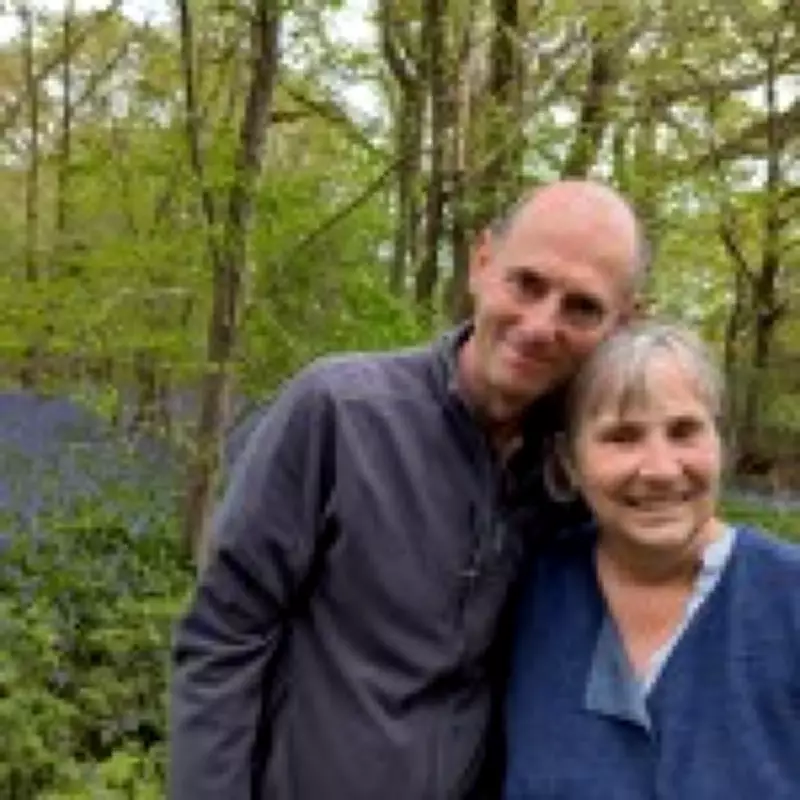
"We need to see Susan as soon as possible." Those six words from a doctor in the summer of 2013 would forever alter Tristan Loraine's world. His wife Susan had recently visited their GP about a small, painless mark on her left breast that had become slightly redder over previous months. Despite clear mammogram and ultrasound results, an oncologist had arranged for a biopsy and MRI scan.
The Devastating Diagnosis
"Does Susan have cancer?" Tristan managed to ask during that fateful phone call. "I'm really sorry, but she does," the doctor replied. Tristan immediately requested the doctor not call their home so he could deliver the news in person. Susan, ever positive at just 50 years old, responded with characteristic resilience: "We need to get on top of it and everything will be okay."
The diagnosis was invasive lobular breast cancer (ILC), a particularly insidious form that grows in lines rather than masses, making it notoriously difficult to detect through standard mammograms and ultrasounds. This explained why earlier screenings had missed it. ILC carries a significantly higher risk of recurrence within five or more years compared to more common breast cancer types.
A Predisposition Revealed
Remarkably, doctors had predicted Susan's cancer risk nearly two decades earlier. In 1997, Susan—an airline pilot—collapsed with concerns about cabin air quality. She became severely sensitized to chemicals, struggled with concentration, and was medically retired from flying. Testing revealed she had elevated cancer risk despite no genetic markers.
The Brutal Treatment Journey
Susan endured eight different treatment types with brutal side effects. One treatment caused persistent ringing in her ears, while oral chemotherapy led to vomiting and sleep disturbances. Yet she remained determined, continuing awareness walks throughout her ordeal.
Tristan and Susan had met in 2001 through pilot union work on air quality issues. They married twenty years later, only to receive her diagnosis just two months afterward.
Transforming Grief into Action
Susan's passing last year at age 63 fueled Tristan's determination. In 2023, they founded the Lobular Moon Shot Project to secure vital research funding for ILC. "In the last few minutes of my wife's life," Tristan recalls, "I told her I would continue campaigning for specific ILC treatments."
The Political Battle for Funding
Five days after Susan's death, Tristan met with Wes Streeting, but progress has stalled. The Lobular Moon Shot Project now seeks £20 million in government funding over five years—amounting to just £238 per patient over the next decade. With 463 MP supporters (approximately 70% of Parliament), the campaign has significant political backing.
Despite government suggestions to approach The National Institute for Health and Care Research, the NIHR doesn't fund the basic biology research essential for ILC breakthroughs. Meanwhile, 22 people in the UK receive lobular breast cancer diagnoses daily.
Amplifying the Message
Tristan has created the documentary "Our Journey With Lobular Breast Cancer," airing on Together TV, to raise awareness. "I feel incredibly proud to advocate for these ladies," he says, "most of whom I will never meet. But they and their families deserve a fighting chance."
A Lifelong Commitment
Tristan Loraine has dedicated his life to ensuring others don't endure the pain and loss he and Susan experienced. His advocacy represents both a personal tribute and a public health imperative, fighting for research that could save countless lives from this particularly challenging form of breast cancer.