NHS Cancer Unit Hiring Freezes Double, Risking Patient Lives
The Royal College of Radiologists has revealed a dramatic escalation in recruitment freezes across the UK's specialist cancer services, with exactly half of the nation's 60 cancer treatment centres unable to hire clinical oncologists during 2025. This represents more than double the number of centres affected the previous year, when 13 units (23%) faced similar restrictions.
Widespread Restrictions Across Diagnostic Services
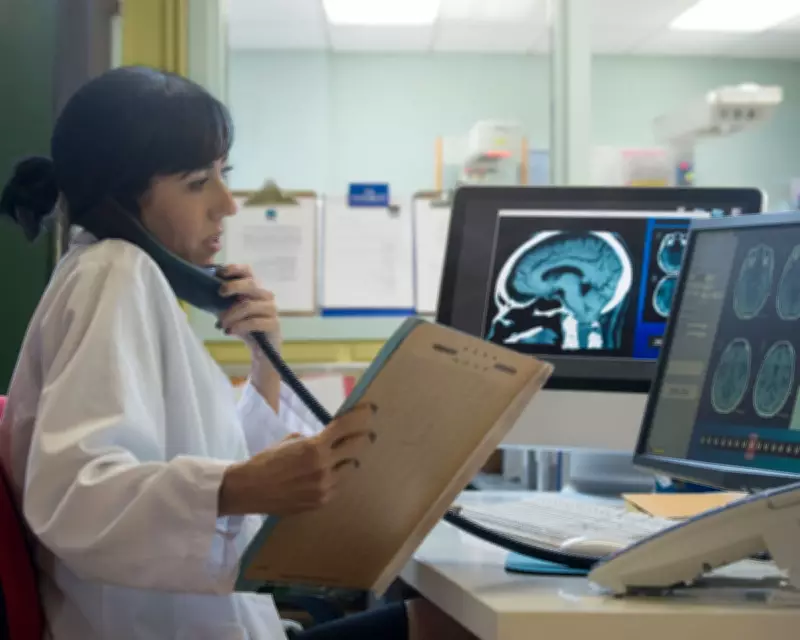
Parallel restrictions have impacted radiology departments, which perform and analyse crucial diagnostic scans. According to data collected from 138 of the UK's 160 radiology units, more than a third (36%) experienced bans on hiring clinical radiologists last year, a significant increase from 19% in 2024. These figures highlight a systemic problem affecting multiple aspects of cancer care delivery.
Dr Stephen Harden, President of the Royal College of Radiologists, has issued a stark warning about the consequences of these staffing restrictions. "Recruitment freezes worsen the already chronic shortage of doctors that has led to long waits, late diagnoses and delays," he stated. "For patients with suspected cancer, each month's delay to starting treatment can increase the risk of death by around 10%."
Financial Pressures Driving Short-Term Decisions
The hiring bans have been directly linked to NHS England's financial "reset" initiative, ordered by Chief Executive Sir Jim Mackey last spring to address a projected £6.6 billion overspend for 2025-26. This directive forced NHS trusts to implement substantial savings measures, with recruitment restrictions emerging as a common response.
Most affected units are located in England, where financial pressures have been particularly acute. "Shortsighted recruitment freezes don't save money in the long term," Dr Harden emphasised, noting that such measures ultimately prove counterproductive while simultaneously damaging staff morale and compromising patient care.
Disproportionate Impact on Rural Communities
The RCR's workforce census uncovered concerning geographical disparities in how recruitment restrictions have been applied. Smaller cancer centres and radiology departments serving rural communities were significantly more likely to face hiring bans than their larger, urban counterparts. Across the UK, 60% of cancer centres in rural or deprived areas experienced recruitment freezes, compared with 48% in urban and more affluent regions.
This uneven distribution of restrictions directly contradicts the government's recently announced National Cancer Plan for England, which specifically aims to increase cancer doctor numbers in rural and coastal areas that traditionally struggle with specialist recruitment.
Growing Workforce Crisis Amid Rising Demand
Cancer Research UK estimates that the NHS in England will need to recruit approximately 16,000 additional cancer service staff by 2029 to keep pace with increasing demand. This includes requirements for:
- 8,300 diagnostic radiographers
- 4,600 radiologists
- 790 medical and clinical oncologists
The RCR has identified an immediate need for nearly 2,000 more radiologists and approximately 200 additional clinical oncologists just to meet current service demands, let alone future requirements.
Financial Consequences of Staffing Gaps
Recruitment restrictions have created substantial financial repercussions across the NHS. In 2024 alone, the health service spent a record £325 million on temporary solutions to address staffing shortages, including:
- Locum doctors to fill rota gaps
- Private firms, some based overseas, to analyse scans when NHS departments lacked capacity
This expenditure on temporary staffing solutions represents a significant drain on NHS resources that could otherwise be invested in permanent staff and service improvements.
Government Plans and Professional Concerns
The RCR's revelations coincide with the launch of the government's National Cancer Plan for England, which includes proposals to expand the cancer workforce and leverage technology to improve productivity. The plan suggests that artificial intelligence could assist oncology professionals with treatment planning and administrative tasks, potentially creating more "time to care."
However, Dr Harden has expressed concern that current recruitment restrictions fundamentally undermine these ambitions. "Hiring bans in radiology departments and cancer centres sit in clear tension with commitments to diagnose cancer earlier and treat it faster," he warned. "With cancer diagnoses expected to rise in the coming years, the NHS will need these highly skilled clinicians more than ever."
Charity Support and Systemic Solutions
Cancer Research UK has endorsed the RCR's call for fully staffed cancer services. Holly Norman, the charity's Head of Health Systems Engagement, emphasised that "radiologists and oncologists are vital for ensuring people affected by cancer are diagnosed and treated quickly." She stressed that government ambitions to improve early diagnosis and waiting times can only be realised with adequate staffing and resources.
NHS England has responded by highlighting workforce growth in both radiology and oncology specialties, noting approximately 5% expansion in 2024. A spokesperson stated that the health service would "transform cancer care through our new national cancer plan, rolling out new specialist training places in underserved areas and designing new care models around people's lives."
The organisation also defended its financial management approach, stating it was "rightly supporting local systems in financial deficit to live within their means and continue improving productivity, to help the NHS treat more people for cancer than ever while delivering value for taxpayers."