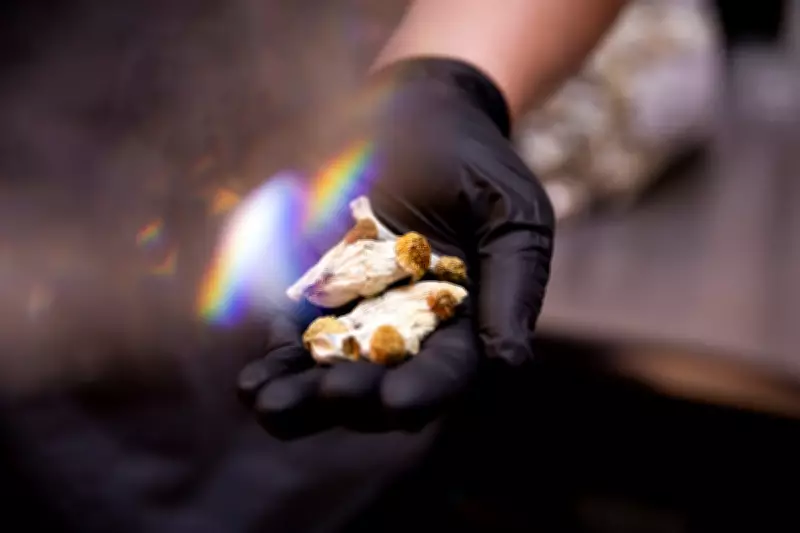
A new clinical trial suggests that a single dose of psilocybin, the active compound in magic mushrooms, could be an effective treatment for cocaine addiction. The study, published in JAMA Network Open, found that 19 participants who received a single dose of psilocybin were more likely to abstain from cocaine than 17 participants who received a placebo of diphenhydramine, a common antihistamine. Both groups worked with a therapist to process their experiences.
Urgent Need for Treatment
Dr. Peter Hendricks, a behavioral health professor at the University of Alabama at Birmingham and lead author of the study, emphasized the urgency of finding a treatment for cocaine use disorder. Currently, there are no FDA-approved medications for addiction to cocaine or other stimulants like methamphetamine. Overdoses involving stimulants are rising, and cocaine deaths are increasing globally as production reaches an all-time high, according to the latest UN global drug report.
Over a decade ago, Hendricks sought ways psilocybin could help keep people out of jail. A large local dataset showed that cocaine use was the single strongest predictor of criminal justice involvement and recidivism, particularly for low-income Black men, who made up the majority of the study's participants. While white people are more likely to report lifetime cocaine use, Black people are more likely to be arrested for cocaine-related crimes.
Mechanism of Action
Experts believe psilocybin's mechanism for treating cocaine addiction may also work for other addictive substances. Robin Carhart-Harris, a neuroscience researcher, suggests psychedelics increase neuroplasticity and psychological plasticity, helping change rigid, impulsive behaviors inherent in addiction. Gabrielle Agin-Liebes, a clinical psychologist at Yale School of Medicine, notes that psilocybin differs from most addiction medications that target the same neurochemical systems as the substance itself. Instead, psilocybin produces a profound altered state of consciousness in a single session within a structured psychotherapy context.
“It’s more like a catalyst within a therapeutic process,” Agin-Liebes added. With therapist guidance, a single dose can facilitate shifts in perspective and self-compassion, helping change behavior. This may be especially effective for cocaine, as withdrawal symptoms are more psychological than physical, including bad dreams, agitation, depression, and cravings.
Study Limitations and Future Directions
A critical commentary noted the results might not be generalizable because the study excluded people with comorbid depression and anxiety. However, Carhart-Harris pointed out that psilocybin shows promise for both conditions. Like addictions, depression and anxiety involve getting stuck in ruts, and psilocybin may help people break free. The study's success is a clear sign that psilocybin for cocaine use disorder is a promising treatment that should proceed to larger-scale clinical trials.
Diversity in Psychedelic Research
This study is notable as the first psychedelic clinical trial with a majority of Black participants. While psychedelic rituals originated in Indigenous societies, US psychedelic culture is often associated with white, elite populations. Agin-Liebes noted that US-based psychedelic trials tend to include participants of higher socioeconomic status and are disproportionately white. Recruitment methods like social media ads and university listservs may reach affluent white populations more easily. For this trial, researchers advertised for people trying to quit cocaine, avoiding explicit mention of psychedelics, which helped recruit a representative sample of those with cocaine use disorder in Birmingham, Alabama.
This approach may also reduce the “expectation effect,” where participants who believe in psychedelics can guess if they received a placebo due to the drug's distinct effects. By not targeting psychedelic enthusiasts, the trial may be less susceptible to such bias.