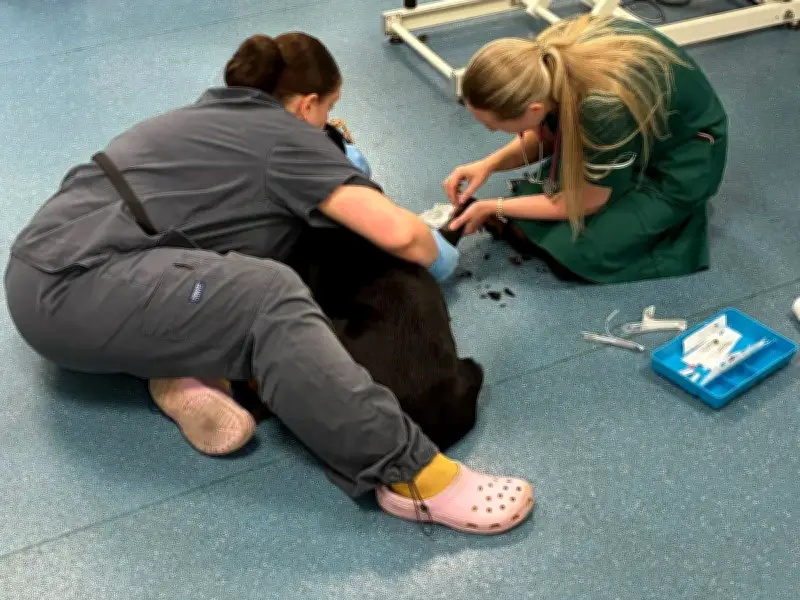
Medivet's 24-hour emergency vet in Kensington operates like a human hospital, complete with MRI and ultrasound machines, advanced blood analysis technology, and x-ray equipment. During a two-hour visit, a MyLondon reporter witnessed surgeries, dental extractions, and consultations, but the most striking moments involved the emotional and financial challenges that vets and pet owners face.
Hospital-level care and procedures
The facility's equipment rivals that of a human hospital. The reporter watched a vet perform surgery on a dog with a broken leg, noting the precision required on such a small limb. Dental extractions were also observed, which the reporter compared to their own wisdom tooth removal experience.
Practice manager Grace Sheppard explained that the vets form strong attachments to the animals they treat. She described situations where owners genuinely care but cannot afford the care their pets need, especially during late-night emergencies.
The £2,000 bill dilemma
One case involved a dog brought in for emergency care requiring multiple medications and treatments, with the current bill reaching £2,000. The owner stated the costs exceeded what they could manage, leaving the vets with a difficult decision. If the owner cannot find the funds, the vet will attempt to refer the pet to a charity or another option that could help.
Sheppard noted that vets will understandably fall in love with these pets and form attachments, but when an owner can't pay the bills, there is a limit to what they can continue to offer. She added that sometimes at 3am, when a pet is in extreme pain and the vet cannot reach the owner by phone, they will administer extra pain relief. When the owners arrive the next day, they may complain about that additional treatment, but the pet needed it.
Emotional reunions and anxious pets
The reporter observed owners coming in with their pets, noting the visible emotion in their eyes. The happiness on an owner's face when reunited with a pet was heartwarming, especially when a dog returned with good news and its tail wagging with excitement.
Sheppard explained that signs of anxiety in dogs include constant pacing or ears being down. The reporter initially thought the dogs in cages looked calm, but Sheppard noted that pacing is a clear indicator of nervousness. The smell of diarrhoea was also memorable, as Sheppard described it as one of those days when many patients were suffering from it.
Consultations and unique cases
The reporter sat in with Dr Miranda during a consultation for Bella, a small dog whose owner discovered scabs around her private area and suspected she may have been 'up to no good'. The consultation demonstrated how vets identify issues, decide on the best course of action, and recommend treatment.
The reporter also touched a sphinx cat for the first time, describing the sensation as like the outside of a peach. Observing pets recovering from rough 24-hour periods made the reporter feel empathetic toward them. The experience highlighted that pets are a luxury and should be treated as such, as they will at some point require care that could be expensive.
The visit concluded with the reporter noting that they never would have compared a vet hospital to a human one, but the similarities were endless, with one standout observation: animals are definitely tougher than the reporter.