Betty Mukherjee's Emotional Journey with MRKH Disorder and Fertility Treatment
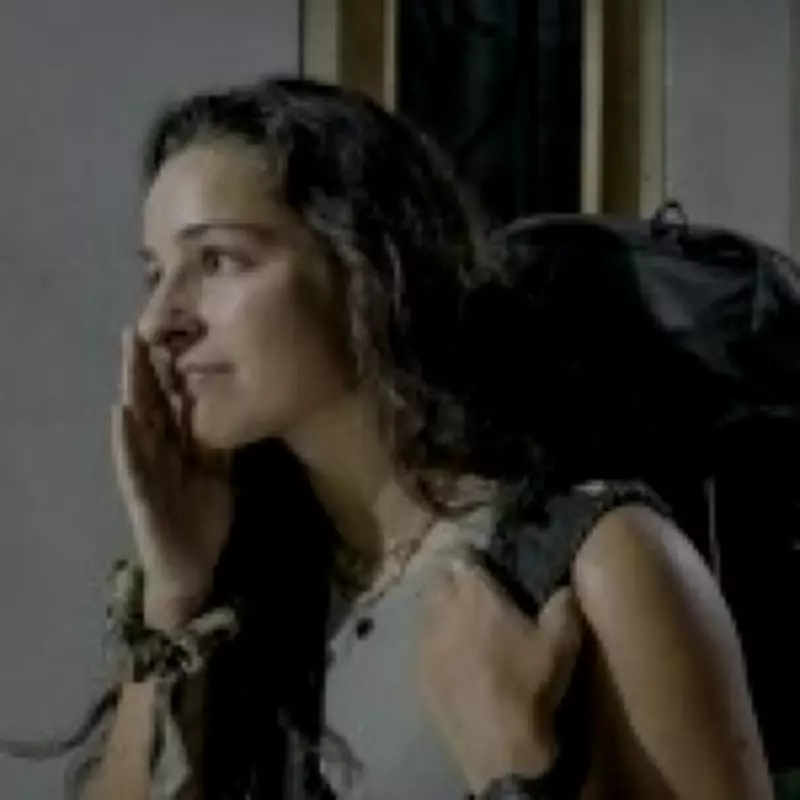
Betty Mukherjee, a 28-year-old star from the BBC reality show Race Across the World, has spoken candidly about the profound emotional challenges of starting a family after being born without a womb due to MRKH disorder. In a recent interview, she detailed her ongoing fertility treatment with partner Dan, 32, and her aspirations for a womb transplant, shedding light on a rare health condition that affects thousands of women.
The Diagnosis and Its Impact
Betty, hailing from Bradford, West Yorkshire, was diagnosed with Mayer Rokitansky Küster Hauser (MRKH) syndrome, also known as Rokitansky syndrome, as a teenager when she did not begin menstruating by age 16. This condition, which occurs in approximately 1 in 5,000 women, results in an underdeveloped reproductive system, including an absent or undeveloped uterus and cervix. Reflecting on her diagnosis, Betty described it as a moment that completely reframed her future, leading to years of self-esteem struggles and doubts about her purpose as a woman.
During her appearance on Race Across the World in 2024 alongside her brother James, Betty broke down in tears while discussing the condition, revealing how it has affected her relationships and desire for motherhood. She explained, "It means that I don't have a uterus, I don't have a womb, and I only have one kidney as well. From a young age when that's taken away from you, it does put doubts in your mind."
Fertility Treatment and Womb Transplant Hopes
Two years after her public disclosure, Betty is now actively pursuing fertility treatment with her partner Dan. The couple has undergone in vitro fertilization (IVF) to create embryos for potential surrogacy or a womb transplant. So far, they have spent nearly £13,000 on the process and have successfully produced two healthy PGA-tested embryos after their first round, with a second round recently completed.
Betty shared, "We started IVF treatment recently as part of the process to create embryos for future surrogacy. Right now the goal is to create healthy embryos, which would hopefully allow us to pursue surrogacy or a womb transplant in the future." The couple aims to secure five PGA-tested embryos to qualify for a womb transplant program, viewing each step as a milestone toward parenthood.
Overcoming Isolation and Advocating for Others
Initially feeling isolated after her diagnosis, Betty has since embraced the idea that there are many different ways to build a family. She emphasized that motherhood is about nurturing and love, not solely biological functions. Her openness has resonated with many, as she has received messages from women with MRKH who thank her for reducing stigma and making them feel less alone.
Betty stated, "Sharing stories openly breaks down the shame and silence that often surrounds these topics. I want to keep advocating for people who feel a little lost." Her brother James also expressed deep emotion during the show, calling her bravery an understatement and highlighting the supportive bond they share.
Looking Ahead
Despite the financial and emotional hurdles, Betty remains determined to become a mother, a dream she has always held. She acknowledged that her path to parenthood is unconventional but expressed gratitude for the scientific advancements that make it possible. "It's not the route I imagined as a teenager, but it's one I'm incredibly grateful science has made possible," she added.
As Betty continues her fertility journey, her story serves as an inspiration for others facing similar health challenges, promoting awareness and compassion in the conversation around reproductive health.