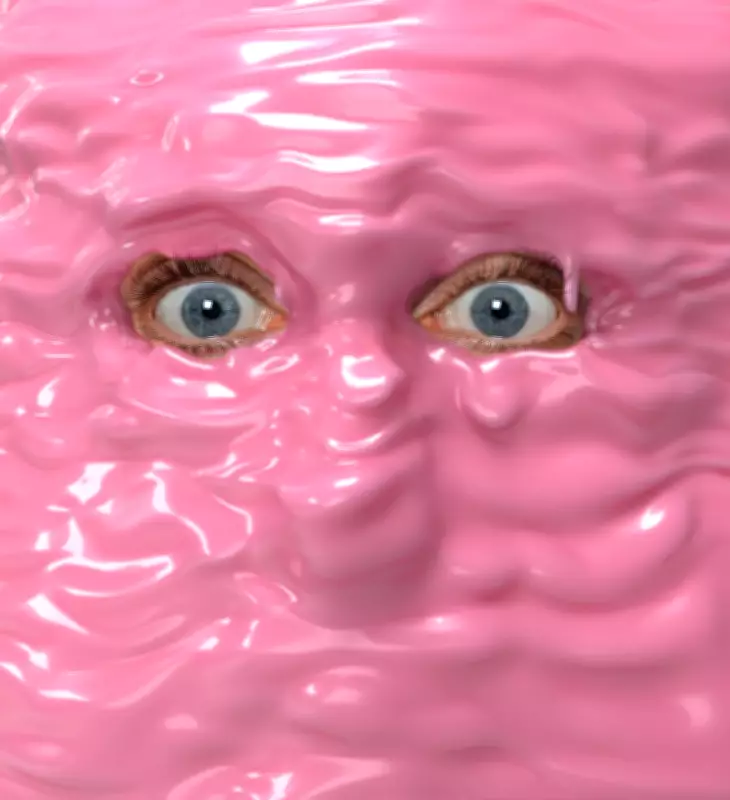
Beauty products have never been more advanced. But as people layer them up, experts have seen a rise in perioral dermatitis. What is the too-much-skincare rash, and what can you do about it?
What is perioral dermatitis?
Perioral dermatitis is a chronic inflammatory skin condition that typically appears as clusters of small red bumps around the mouth, nose and eyes. On dark skin, patches may look darker rather than red. The area around the mouth is particularly vulnerable due to thinner skin and constant exposure to friction and moisture from speaking, eating, cleansing and applying skincare, says aesthetic medicine specialist Dr Christine Hall.
At first glance, perioral dermatitis can resemble acne, but it lacks blackheads and often causes burning, tightness or sensitivity rather than deep painful spots. Once the skin barrier becomes compromised, inflammation can develop and cause repeated flare-ups if triggers are not addressed.

What’s behind the surge?
One explanation is overuse of skincare. Daily serums with potent antioxidants, night-time retinols, exfoliating cleansers and acid toners can push the skin barrier past its limit. Consultant dermatologist Dr Anjali Mahto notes that the rise in cases is largely driven by complex routines using highly concentrated actives. The reaction is not always immediate; with ingredients like retinal, there's a cumulative effect that slowly weakens the barrier over weeks or months.
Another cause may be clean beauty. Writer Charlotte Palermino experienced severe perioral dermatitis from natural fragrances. Dr Emma Craythorne explains that as parabens were replaced by newer preservatives in clean beauty, these may disrupt the microbiome and contribute to the condition.
Other factors
Steroids, both topical and inhaled, can play a role. Hormonal imbalances, such as in PCOS or IVF, may worsen the condition. Surprisingly, toothpaste containing sodium lauryl sulfate (SLS) or strong flavorings like mint and cinnamon oils can irritate sensitive skin. Braces or aligners can increase saliva contact and friction. The solution is to switch to SLS-free toothpaste and brush teeth before cleansing the face.
How to treat it
Doing less is often the solution. Stop all facial cosmetics and switch to a mild cleanser and bland emollient. Light gels or liquids are better than heavy creams. Once inflammation reduces, gentle anti-inflammatory ingredients like azelaic acid can be introduced. Barrier-supporting hydrators such as ceramides, panthenol, centella asiatica, glycerine and hyaluronic acid can soothe inflammation. Avoid retinal, tretinoin or acids until fully healed.
In stubborn cases, doctors may prescribe oral antibiotics like doxycycline or nonsteroidal topical treatments like Protopic. Gentle LED therapy can support healing once inflammation is controlled. Avoid aggressive facials, peels, microneedling or heat-based treatments during active and healing periods.
Prevention
Use lower strengths less frequently and avoid layering multiple actives. Trust experts who preach simplicity. As Palermino says, “Boring skincare advice tends to be the most sage and results-driven.”

Product recommendations
- La Roche-Posay Toleriane Dermo-Cleanser – gentle, non-foaming cleanser for sensitised skin.
- Avène Tolerance Hydra-10 Hydrating Fluid – fragrance-free, lightweight moisturiser with hyaluronic acid.
- The Ordinary Azelaic Acid Suspension 10% – helps reduce redness once skin is healed.
- Dr Jart+ Cicapair Tiger Grass Camo Drops SPF 35 – contains centella asiatica to soothe redness.
- Saie Slip Tint Radiant All-Over Concealer – hydrating concealer with glycerine and hyaluronic acid.
- Gutology Mineral Toothpaste – SLS-free and gentle on the oral microbiome.