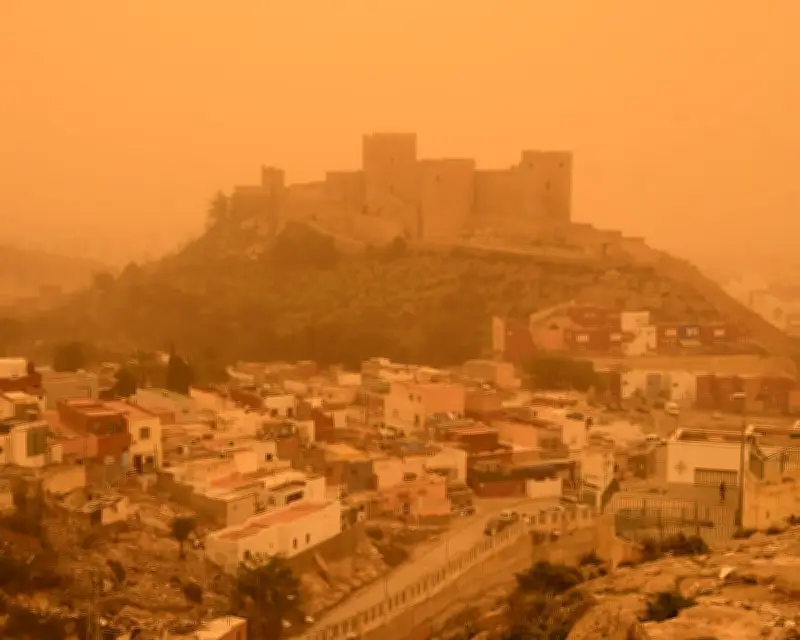
Saharan dust events, which involve thousands of tonnes of fine sand being whipped up from the Sahara and deposited over Europe, are becoming more intense. These events sometimes produce 'blood rain,' leaving visible red streaks. While generally harmless, the dust is not sterile and carries a variety of microorganisms.
Impact on Soil Microbiome
One major concern is how imported microbes may affect the soil microbiome, influencing agricultural fertility and crop yield. Southern Portugal lies along one of the main deposition routes for Saharan dust, and the effect on vineyards is a growing area of focus. A team from the University of Lisbon conducted genomic mapping of microbes in dust samples from 2022's Storm Celia.
Surprising Discovery
Among their findings, the study revealed a genus of bacteria that could benefit crop growth. Researchers indicate that resilient bacterial strains in the dust can integrate into European soil. These may act as plant growth-promoting rhizobacteria (PGPR), which chemically alter the environment around plant roots to unlock nutrients and stimulate growth, serving as a natural fertiliser.

Blood rain may bring both benefits and harms, particularly by supplying soil bacteria suited to hot, dry conditions. Scientists are continuing to study microbe transport to better counter threats and exploit opportunities.