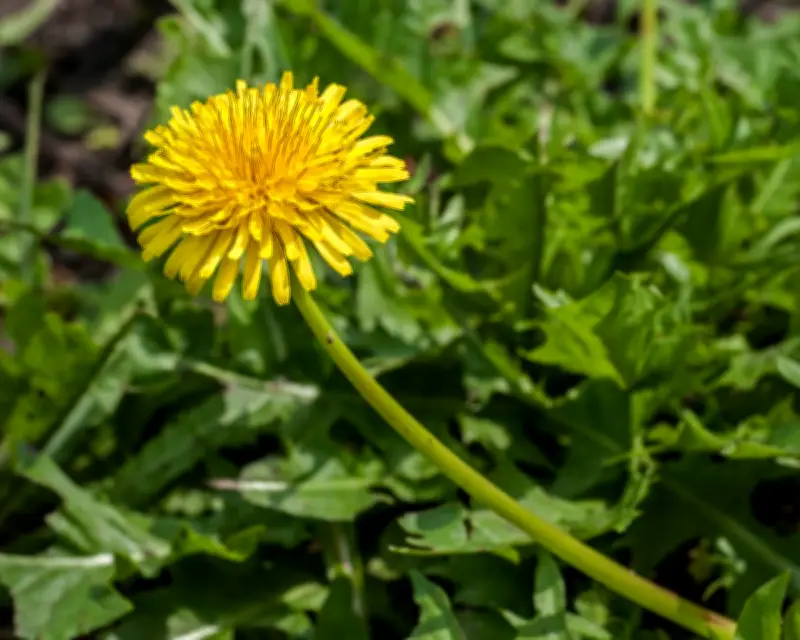
There is a global shortage of natural rubber, and dandelions may be coming to the rescue. In the second world war, there was such a severe shortage of rubber that the Allies used the Russian dandelion, Taraxacum koksaghyz, from Kazakhstan. Soviet scientists found the dandelion roots produced enough white milky latex to make natural rubber, but when the war ended, producers returned to the traditional rubber tree, Hevea brasiliensis.
However, the demand for rubber is now increasing, with rubber trees suffering from a fungal disease and the impacts of extreme weather caused by the climate crisis. So, scientists are looking again at using dandelions, with the added benefit that they grow in temperate climates, are a sustainable crop that do not need pesticides and lots of water, and don't lead to the deforestation common in tropical rubber tree plantations.
Modern developments in dandelion rubber
A biotech partnership in Norwich is now developing a high-yielding Russian dandelion with large, fast-growing roots, housed in glasshouses and grown without soil using a misty air system. The aim is to produce about 3,000 tonnes of rubber a year. In Germany, bicycle tyres have already been made from rubber using dandelions bred for increased latex.

Dandelion roots, specifically from Taraxacum koksaghyz, were used to make rubber during the war. The image shows the roots of this plant, which produce a milky latex suitable for rubber production. Scientists are now returning to this wartime solution, which may be more sustainable than the traditional rubber tree.