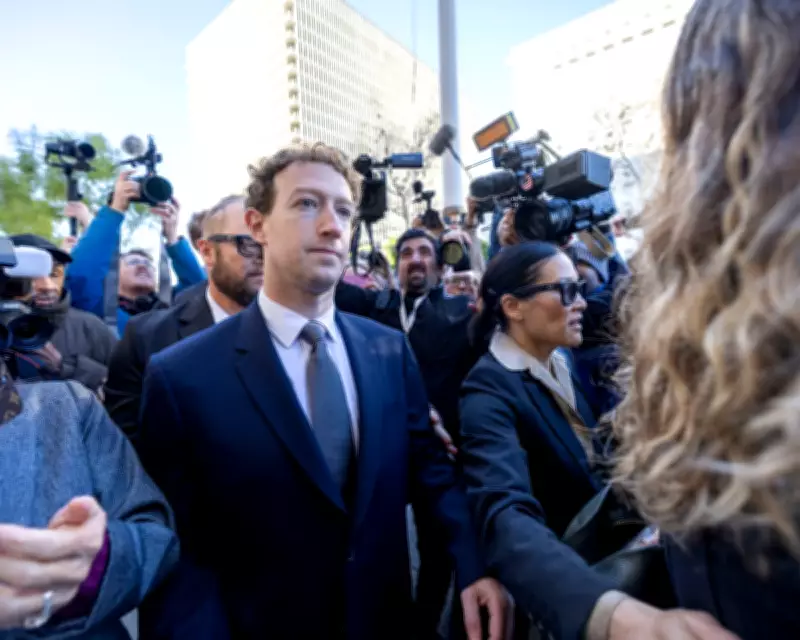
Landmark Social Media Addiction Trial Concludes as Jury Deliberations Begin
The first-ever jury trial examining the potential harms of social media wrapped up on Thursday, with Meta and YouTube facing accusations of creating addictive platforms that allegedly contribute to mental health issues in young people. The case, centered on a 20-year-old plaintiff known as KGM, has been described as a bellwether for public attitudes toward social media companies and their responsibilities.
High-Profile Testimony and Key Arguments
Over six weeks, the trial featured testimony from prominent figures, including Meta CEO Mark Zuckerberg, Instagram head Adam Mosseri, and YouTube's vice-president of engineering Cristos Goodrow. KGM testified that she became hooked on YouTube at age six and Instagram by nine, leading to depression, self-harm, and suicidal thoughts by age ten. Her lawyers argue that features like infinite scrolling, autoplay videos, and "like" buttons are designed to foster addiction and distort self-image.
Meta and YouTube have denied wrongdoing, with YouTube spokesperson José Castañeda stating the allegations are "simply not true" and emphasizing their commitment to safety. Meta contends that KGM's mental health struggles stem from a difficult home life, not social media use. The companies' lawyers highlighted parental controls and average usage statistics, with YouTube noting daily use often lasts less than 30 minutes.

Internal Documents Reveal Concerns
During the trial, previously sealed documents emerged, showing internal concerns at both companies. A 2021 YouTube document questioned how wellbeing is measured, responding, "We're not," while another discussed targeting children under 13 as a growth opportunity. Meta emails from 2017 and 2020 included employees likening Instagram to a drug, with one stating, "We're basically pushers," and another expressing fear over the addictive nature of social media.
Broader Implications and Legal Precedent
This trial is the first in a consolidated group of cases involving over 1,600 plaintiffs, including families and school districts, against Meta, TikTok, YouTube, and Snap. TikTok and Snap settled before trial. If the jury finds negligence and causation, Meta and YouTube could face significant financial penalties, potentially forcing changes to platform designs. Online safety advocates, such as Matthew Bergman of the Social Media Victims Law Center, argue that the trial itself represents a victory for accountability, regardless of the outcome.
Psychologists do not officially classify social media addiction as a diagnosis, but research links compulsive use to harmful effects in youth. KGM's lawyers draw parallels to big tobacco lawsuits, accusing Meta of using similar tactics to blame victims rather than address product harms. Deliberations are set to begin on Friday, with the jury's decision expected to influence future litigation and regulatory approaches to social media safety.