
Purdue Pharma to Forfeit $225 Million in Landmark Opioid Settlement
A judge is expected to sentence Purdue Pharma, the maker of OxyContin, to forfeit $225 million to the US Justice Department, clearing the path for the company to finalize a sweeping settlement of thousands of lawsuits tied to the opioid crisis. This penalty, agreed upon in a 2020 pact, resolves federal civil and criminal investigations, with other penalties waived in exchange for settling additional litigation.
Details of the Settlement Agreement
Approved by a judge in November, the settlement could take effect on May 1. It mandates that members of the Sackler family, who own Purdue Pharma, contribute up to $7 billion over 15 years to state, local, and Native American tribal governments, as well as some individual victims and other entities. This forfeiture follows Purdue's guilty plea in November 2020 to three federal criminal charges.
The company admitted to lacking an effective program to prevent its prescription painkillers from being diverted to the black market, despite assurances to the US Drug Enforcement Administration. Purdue also confessed to paying doctors through a speakers program to prescribe opioids and funding an electronic medical records company to encourage more opioid prescriptions.
Historical Context and Impact
While Purdue produced only a fraction of the opioid pills that flooded the market in the 2000s, aggressive sales of OxyContin are widely seen as a key driver of the crisis. At a 1996 sales rally, Richard Sackler, then a top executive, called for a "blizzard of prescriptions." Under the plea deal, the government agreed not to collect $5.3 billion in criminal forfeitures and fines and $2.8 billion in civil liabilities, with portions redirected into the broader settlement.
The settlement is among the largest in a series of agreements with drugmakers, wholesalers, and pharmacies, totaling over $50 billion, primarily aimed at combating the overdose epidemic. It uniquely includes payments for individual victims or their survivors.
Corporate Restructuring and Family Involvement
As part of the deal, Purdue Pharma will cease to exist, replaced by Knoa Pharma, a public-benefit company with a board appointed by states. This reorganization, one of the most complex ever, has already cost over $1 billion in legal and professional fees. The Sackler family, long criticized for profiting from the crisis, received $10.7 billion from Purdue between 2008 and 2018 but has not been paid since 2018 and left the board in 2019.
Family members will not face criminal charges and have agreed not to object if their names are removed from museums and institutions they supported. More than 54,000 personal injury claimants voted to accept the settlement, with only 218 opposing.
Victim Advocacy and Ongoing Concerns
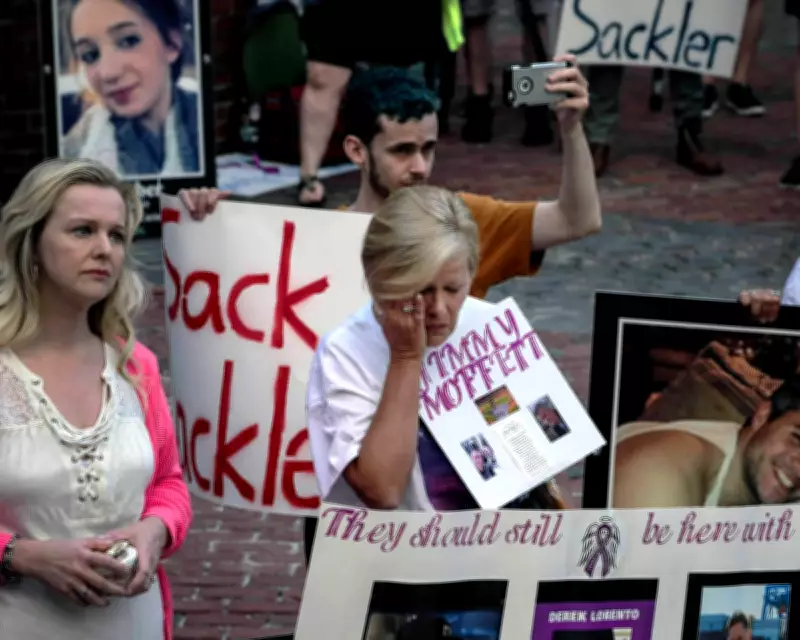
Despite the settlement, some victims and families continue to push back, arguing it falls short of justice for a crisis linked to 900,000 US deaths since 1999. Susan Ousterman, whose son died from an overdose in 2020, organized others to submit victim impact statements, urging the judge to reject the plea deal and pursue criminal charges against individuals, including Sackler family members.
Ousterman criticized the allocation of funds, noting that some governments have not used settlement money effectively to fight the drug crisis. The sentencing provides another opportunity for victims to voice their concerns directly to the court.




