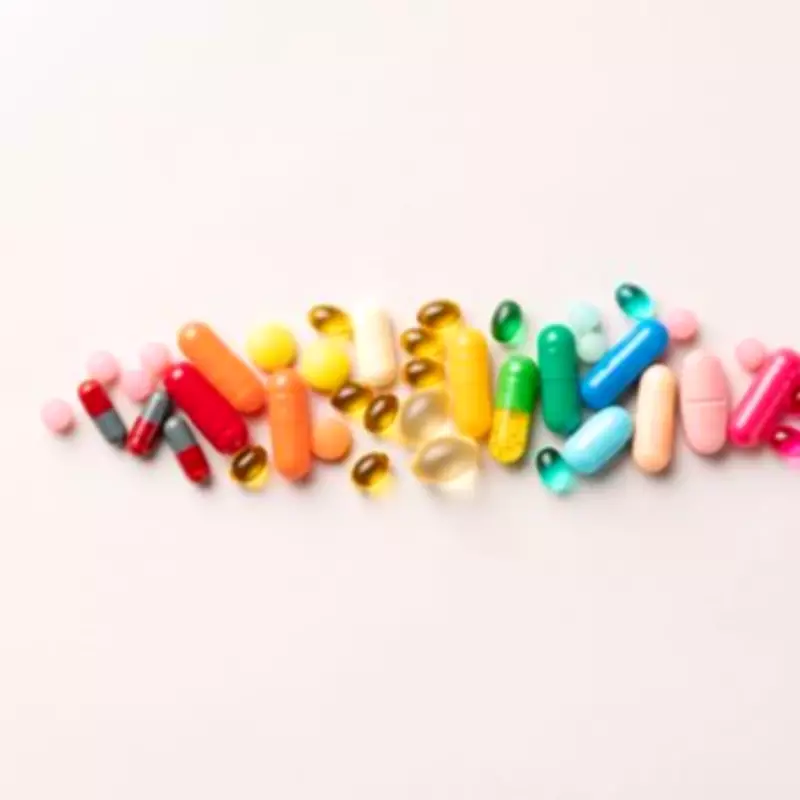
A pharmacist has issued a stark warning about the dangers of a new health trend known as 'vitamin-maxxing,' as supplement consumption reaches unprecedented levels in the UK. With an estimated 75% of UK adults now taking supplements, and two-thirds of them doing so daily, the trend poses significant health risks, particularly when it involves high doses of fat-soluble vitamins A, D, E, and K.
Understanding Vitamin-Maxxing
Vitamin-maxxing is a health trend focused on optimizing nutrient intake to enhance physical appearance, energy levels, and immunity. It follows similar trends like protein-maxxing and fibre-maxxing. While supplements can offer benefits, the practice of megadosing—taking extremely high doses—can be dangerous.
The Rise of Supplement Consumption
Supplement consumption in the UK has been rising by an average of 13.1% annually since 2018, reaching record levels. Pharmacist Wendy Lee of Well Pharmacy explains, "Although there are unquestionably numerous health benefits associated with taking supplements, vitamin-maxxing or overdosing on supplements can be unsafe."

Seven Vitamin Myths Debunked
Myth 1: If a Vitamin is Good, More is Better
This misconception can lead to toxicity. "Vitamins can become toxic when taken in high doses over time," warns Lee. Fat-soluble vitamins—A, D, E, and K—are stored in the body, unlike water-soluble vitamins that are excreted. Excess vitamin D can cause dangerously high calcium levels, leading to kidney stones, confusion, or kidney failure. Too much vitamin A may damage the liver and bones, while high doses of vitamin E increase bleeding risk.
Myth 2: Supplements Can Replace a Balanced Diet
Supplements are meant to complement, not replace, a healthy diet. Whole foods provide a complex mix of nutrients, fibre, and beneficial compounds. For instance, a single kiwi or orange provides more than the recommended daily intake of vitamin C (40mg). Oily fish offers vitamin D along with omega-3 fats. Lee emphasizes, "A balanced diet remains the best foundation for good health."
Myth 3: Vitamin C Prevents Colds
While vitamin C is often touted as an immune booster, research shows it may not prevent colds. However, it might slightly reduce the duration or severity of symptoms. High doses (over 1000mg daily) can cause stomach cramps, diarrhoea, and increase kidney stone risk.
Myth 4: Natural Supplements Are Always Safe
Over-the-counter supplements are not risk-free. They can interact with medications or cause side effects. For example, vitamin K can interfere with blood thinners like Warfarin, calcium and iron can reduce antibiotic absorption, and vitamin E can increase bleeding risk with anticoagulants. Lee advises consulting a pharmacist before combining supplements with prescription medicines.
Myth 5: Everyone Should Take Multivitamins
Many healthy adults may not need supplements if they eat a balanced diet. However, exceptions include vitamin D supplements in autumn and winter, and specific groups like pregnant women, vegans, and older adults. Supplementation should be targeted and evidence-based.
Myth 6: Energy Vitamins Give Instant Energy
B vitamins help convert food into energy but don't work like caffeine. They only boost energy if someone is deficient. Good food sources include meat, fish, and poultry. For those with normal levels, extra supplements won't improve tiredness or performance. Persistent fatigue should be medically investigated.
Myth 7: More Expensive Vitamins Are Better Quality
Price does not guarantee effectiveness. Many standard-priced vitamins contain the same active ingredients as premium brands. What matters is appropriateness, correct dosage, safety testing, and reputable manufacturing. Some specially formulated supplements may be more expensive but offer better absorption or stomach tolerance.
Conclusion
For personalized advice on supplements, consult your local pharmacy. As Lee concludes, "Choosing which supplement to take can be confusing, and we would always advise speaking to your pharmacist for guidance."