
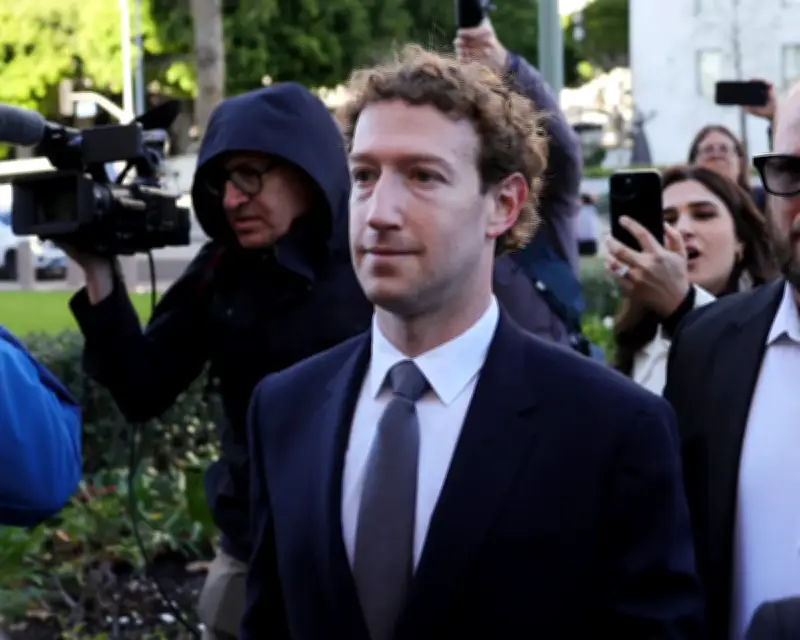
Meta, the parent company of Facebook and Instagram, has agreed to pay $18bn to settle claims from 52 US attorneys general that it designed its products to be addictive to children and misled users about their safety. The settlement, announced this week, avoids any admission of liability, but it marks a significant shift in Meta's legal strategy after a costly court loss in New Mexico.
Settlement Details and Immediate Impact
The agreement, which will be paid out over a decade, includes provisions for under-18s in the US to face a default two-hour daily limit on Facebook and Instagram, with access blocked overnight unless parents change the settings. Notifications will be muted during school hours, and teenagers will receive prompts about their screen time, addressing long-standing concerns about platform design.
Meta denies any wrongdoing, and the payment is manageable for the company, which reported around $60bn in profit last year. However, the settlement amount is contingent on other tech firms, notably TikTok and YouTube, introducing similar restrictions and making matching payments. Meta is publicly urging these companies to join, with about a third of the settlement conditional on their participation.
Strategic Shift After New Mexico Loss
This settlement follows a significant legal defeat in August, when a New Mexico court ordered Meta to pay $942m and overhaul child protections—a decision Meta is appealing. That case, where Meta was found to have done wrong, proved more damaging than this week's settlement without liability, even though the amounts are smaller. Thousands of similar lawsuits are still pending in US courts, and Meta's approach appears to be a calculated move to avoid setting legal precedents that could spiral out of control.
By settling, Meta retains control over the product changes it must implement, limiting them to the bare minimum. The company faces a choice between risking jury trials with potentially vast damages and internal disclosures, or paying manageable sums to settle and negotiate changes on its own terms. The $18bn pales in comparison to the $1.5tn Meta's own PR team warned the case could cost in court, and the $200bn that prosecuting lawyers sought.
Reactions and Global Implications
Not all parties are satisfied with the deal. While attorneys general from 48 states agreed, Florida's representative, James Uthmeier, rejected it, calling the settlement "peanuts" and vowing to continue pursuing Meta in court. The settlement formally applies only to participating US states and territories, but a Meta spokesperson indicated the company already offers strong protections for teenagers elsewhere and will monitor the new measures before deciding on international changes.
Running different versions of Facebook and Instagram globally is impractical, and Meta has now shown these restrictions are feasible. Given child safety drives in the UK and Australia, politicians may question why American teenagers receive these protections while their own children do not. The UK's Online Safety Act provides leverage for the government to push for similar changes, potentially making this settlement a catalyst for broader international regulation.
Meta has paid billions to avoid liability in one case, but in doing so, it may have opened the door to change in many other countries.




