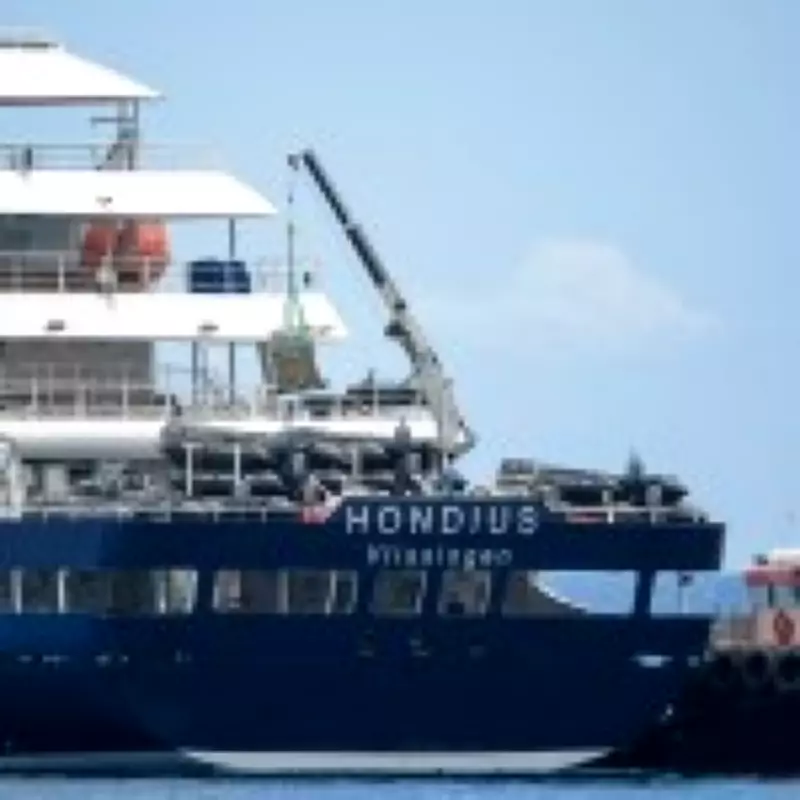
A French woman who traveled on the MV Hondius cruise ship has been placed on an artificial lung after contracting a severe form of hantavirus. The outbreak has now resulted in 11 confirmed cases, with three fatalities. The patient is being treated at Bichat Hospital in Paris, where medical professionals describe her condition as the most severe cardiopulmonary presentation of the disease.
Critical Care and Tracing Efforts
The patient is receiving extracorporeal membrane oxygenation (ECMO), a form of artificial lung support, to allow her lungs and vascular system to recover from the viral attack. Dr. Xavier Lescure, an infectious disease specialist at Bichat Hospital, stated that the artificial lung represents the final stage of supportive care. French authorities are urgently tracing potential contacts to prevent further spread.
Outbreak Timeline
The outbreak began on April 6, when the first passenger showed symptoms. The ship departed Ushuaia, Argentina, on April 1 and docked in Saint Helena over three weeks later. There, the body of the first victim, who died on April 11, was taken aboard, and 30 passengers disembarked. Among them was the victim's wife, Mirjam Schilperoord, who later died in Johannesburg, South Africa. A Dutch couple also succumbed to the disease.

Repatriation and Quarantine
The ship continued to Tenerife, where remaining passengers were repatriated, including 20 British nationals and two UK residents. They underwent a 72-hour mandatory quarantine at Arrowe Park Hospital in Merseyside, the same facility used for Wuhan arrivals during the COVID-19 pandemic. The quarantine period has ended, and some passengers have been released but must continue isolating at home.
In a related incident, a British man in his 60s who traveled on the same plane as Schilperoord was detained in a bar in Milan, Italy. He and his companion were taken to Sacco Hospital and told they must remain until June 6.
The World Health Organization has warned that more hantavirus cases are expected in the coming weeks.