Seagulls Intoxicated by Ants Disrupt Traffic
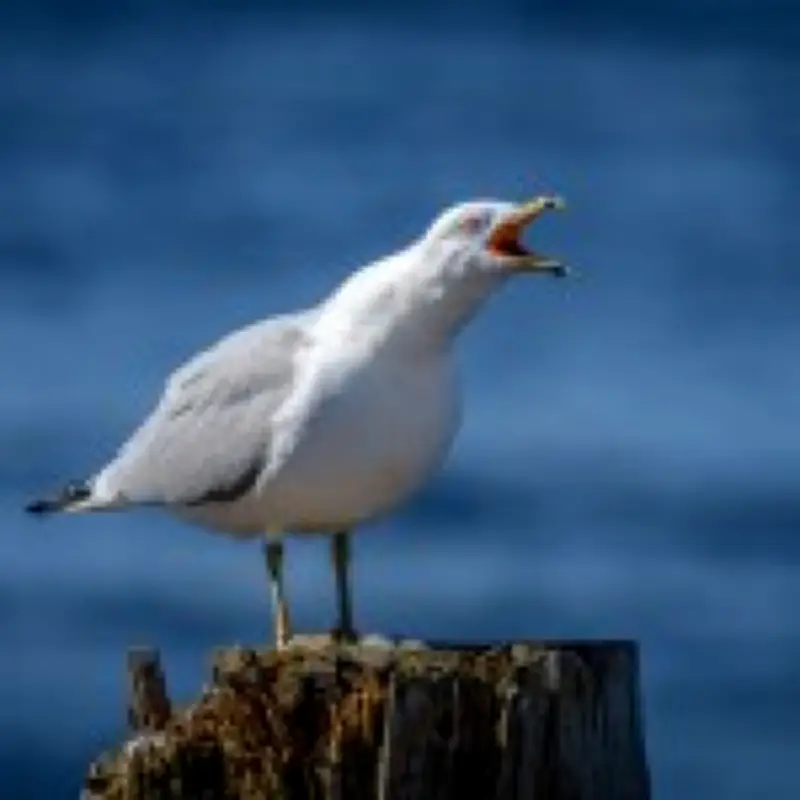
Drunk seagulls are causing traffic jams along England’s south coast, experts have warned. Ornithologists say the gulls are snacking on flying ants, which have become active during this summer’s successive heatwaves. The ants release an acid that makes the birds intoxicated, causing them to stumble around and get in the way of vehicles.
Formic Acid Affects Birds Like Alcohol
Dr Viola Ross-Smith, from the British Trust for Ornithology, explains that flying ants produce formic acid when under threat to deter predators. If the gulls eat enough of the ants, they can become unstable on their feet. 'Ants produce formic acid, and because it’s a mild toxin, the gulls can act a bit woozy and come across as drunk,' Dr Ross-Smith said. 'The hypothesis is the formic acid is affecting them as ethanol affects us.'
Unusually Hot Weather Triggers Early Swarming
While flying ants typically become more active in mid-July, residents of areas like Suffolk reported seeing the bugs swarming earlier in the year due to this spring’s unusually hot weather. Dr Ross-Smith added: 'It is just a hypothesis at the moment. Some say the birds might be so distracted by the food source they’re not paying attention. Or that they are overwhelmed by the food.'

Gulls Staggering on Roads and Pavements
'You do see blankets of gulls walking in the road and staggering around on the pavement, getting in the way of cars,' Dr Ross-Smith said. 'Usually, they’re bold birds who don’t shy away from humans. I would really love for someone to test the theory and see if formic acid is making the gulls drunk.'
What to Do If You See a Dizzy Gull
If you see a gull looking a little dizzy, you should not be concerned. However, it’s important to seek help for a gull if it seems unwell. Dr Ross-Smith continued: 'They’re taking the opportunity to gorge on the insect protein. We’re happy to let nature get on with it.' You can report sick or injured animals to the RSPCA on 0300 1234 999.