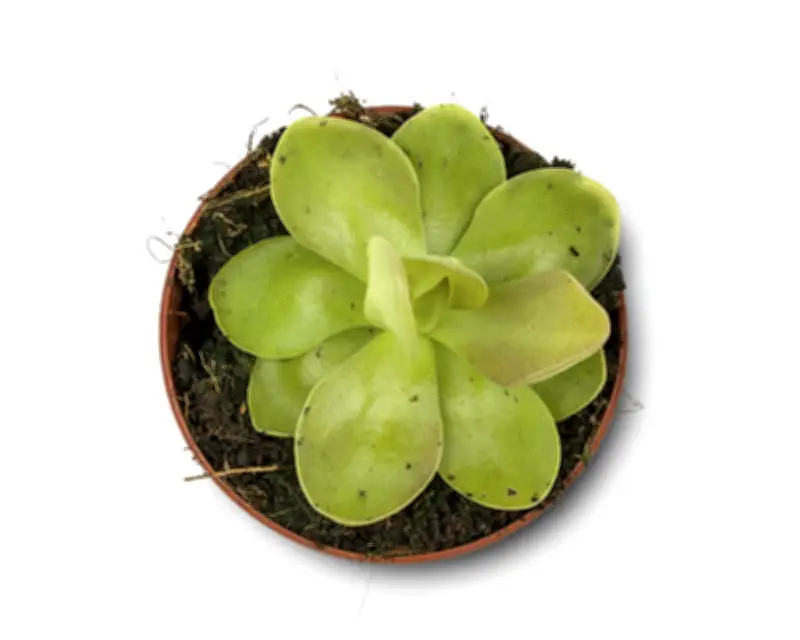
Butterworts, small carnivorous plants with sticky leaves coated in mucilage, offer a natural solution for controlling fungus gnats in houseplant collections. According to a recent test, placing a butterwort near infested plants significantly reduces adult gnat populations within two weeks.
How Butterworts Work
Fungus gnats are persistent pests that thrive in damp compost. Adults drift around and lay eggs in moist soil, while larvae feed on roots. Standard controls often target only one life stage, allowing the cycle to continue. Butterworts act as living flypaper, trapping adult gnats before they can breed.
The plant's leaves are covered in a sticky substance that captures tiny flying insects. When placed among affected plants, it catches adult gnats, leading to fewer eggs and breaking the reproductive cycle.
Implementation Method
To use butterworts effectively, choose a specimen and pot it in a mineral-poor mix such as sand, perlite, or peat moss instead of standard compost. Avoid fertiliser. Water from the bottom using only rainwater or distilled water, keeping the soil lightly moist. Position the butterwort near plants where gnats gather.
In a test, a butterwort placed beside a gnat-infested fern showed leaves freckled with caught flies within days. The adult fungus gnat population declined steeply over a fortnight, and the butterwort thrived on the feeding.
Limitations and Benefits
Butterworts are not a complete solution, as they catch adults rather than larvae in the soil. However, reducing adult numbers decreases egg-laying, effectively breaking the cycle. The plant is self-sufficient and aesthetically pleasing, making it a valuable addition to a windowsill.
As a natural, low-maintenance gnat trap, the butterwort earns its place among houseplants, offering an eco-friendly alternative to chemical controls.