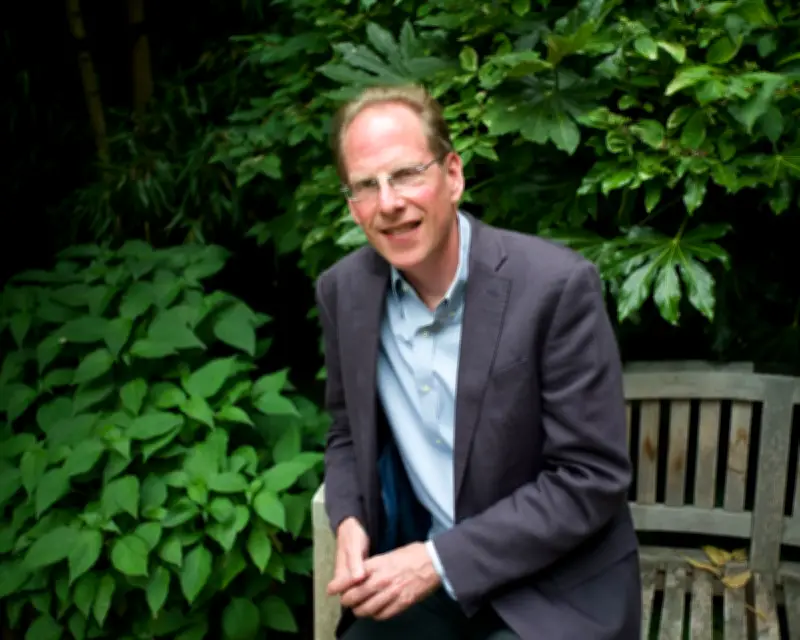
Prof Simon Baron-Cohen, the scientist behind the influential 'extreme male brain' theory of autism, has expressed regret over the phrase, stating it is easily misunderstood and unhelpful today. He emphasized that autistic people do not lack empathy, contrary to common myths.
New Autism Research Centre at Cambridge
Baron-Cohen will oversee the new K Lisa Yang Centre for Autism Research at Cambridge University, funded by a £26m ($34.5m) gift from US philanthropist Lisa Yang. The donation, one of the largest ever for autism research at a UK university, will also support a clinical autism centre in a future Cambridge children's hospital.
Focus on Health Outcomes and Life Expectancy
The research centre aims to improve life expectancy and health outcomes for autistic people, with an emphasis on earlier diagnosis and practical solutions. Baron-Cohen highlighted that autistic people tend to die younger, a neglected issue. Recent unpublished findings from his team, based on data from 141,672 people, show autistic women have a 71% higher risk of heart attack, stroke, and other serious cardiac events, even after accounting for known risk factors like blood pressure, diabetes, and obesity.
Addressing Physical Health Disparities
Reasons for the increased cardiovascular risk may include difficulty accessing NHS services, lifestyle factors, or genetics. The centre will also explore physical health experiences of autistic women, including childbirth distress and menstrual issues, which may be linked to sensory hypersensitivity or hormonal factors. Baron-Cohen noted that dialogue with the autistic community is reshaping research priorities.
Evolution of Baron-Cohen's Views
Baron-Cohen's 'extreme male brain' theory, which posits that autistic people tend to systemize over empathize, has been criticized for framing autism as an empathy deficit and reinforcing gender stereotypes. He clarified that his research distinguishes between cognitive empathy (interpreting expressions) and affective empathy (internal response), and autistic people often have strong affective empathy. 'There's a kind of myth that autistic people lack empathy,' he said.
Community Consultation and Controversy
His team previously faced backlash over a plan to sequence the genomes of 10,000 autistic people, which was dropped after a two-year consultation. Baron-Cohen now emphasizes early consultation with the autistic community to shape research priorities, noting that many autistic people think from first principles and offer fresh perspectives.
Rising Autism Diagnoses
The donation comes amid a surge in autism diagnoses, with a nearly 800% increase in the UK between 1998 and 2018. In 2024-2025, referrals of children with possible autism to mental health services rose by almost 50% in a single year. Baron-Cohen dismissed claims of 'over-diagnosis,' and his team is piloting a program to enable GPs to diagnose autism as accurately as specialist centres, which could 'cut the waiting lists overnight.'