AI Job Scams: A Growing Threat to Job Seekers and Companies
Artificial intelligence is not only being exploited by scammers to promise fake roles and deceive job seekers but is also increasingly used in responses and screening processes for legitimate positions. This dual-edged development means that qualified individuals are losing out on opportunities, while companies miss out on superior candidates.
As a prospect researcher who identifies potential donors for organizations, I recognize the benefits AI can offer in supporting my work. However, I reserve its use only when no other tools are available. With two decades of experience, I can produce reports with insights that only a human can provide—a capability my employers rely on.
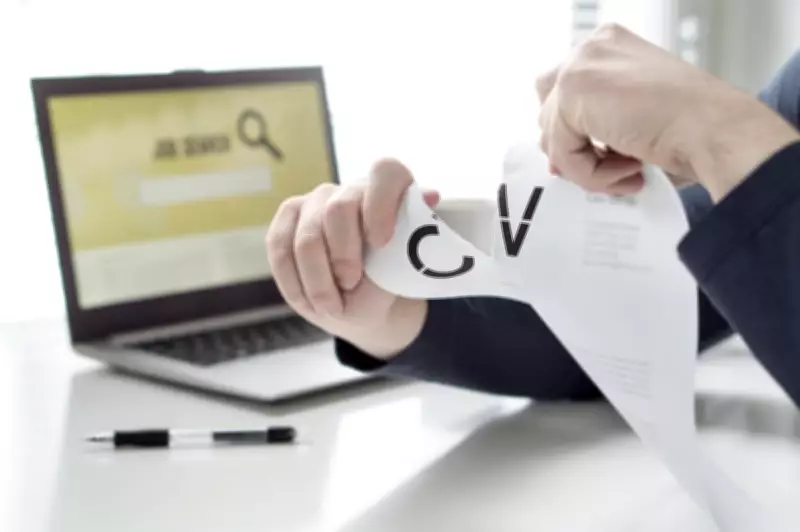
After being made redundant last year, I submitted nearly 200 applications. I quickly noticed a pattern of automated responses, some irrelevant to my application and even confusing or offensive. Most lacked a human signature from HR. In one extreme case, I received a rejection solely because the system claimed I used AI to write my CV—which I did not. When I contacted HR, they apologized and admitted that they themselves had used AI to scan CVs and cover letters. The irony is staggering. Surely AI should not be used so carelessly as to dash the hopes of people and companies. People have families to support.

Sasha Cooklin
Tunbridge Wells, Kent
The Challenge of Verifying Job Ads
Victoria Turk's article serves as a timely reminder of the expansion of online fraud and how AI will make scams harder to detect. False advertisements targeting citizens are only part of the problem—online fraud targeting migrant workers seeking opportunities in the UK, which turn out to be nonexistent jobs, is on the rise.
The article advises researching companies via Companies House. However, in my work with the International Organization for Migration to prevent migrant workers from falling for online scams, I have found that scammers often use the identities of real UK companies, whether active or dissolved. When faced with such documents, applicants rarely verify the ad by contacting the actual company. Even if they try, it is difficult if the only contact is a registered office address with no website or alternative method. Under pressure from fraudsters threatening that others will secure the vacancy, workers often assume the job is legitimate and become victims.
Darryl Dixon
Nottingham
Scams Targeting Authors
Minor self-published authors like me are inundated with similar scams. Executives from publishing or TV arts shows profess to be fascinated by "your unique storytelling." The named executives are real and can be Googled. The main giveaway is that these admirers often write from a Gmail address rather than a company one.
A related scam involves fanmail from established authors who "found you on Facebook" and are eager to learn about your writing process. I have received gushing messages from "Ian McEwan," "Ken Follett," and "Colleen Hoover." When "Agatha Christie" joined in, I knew something was wrong.
Niall Leonard
Ealing, London