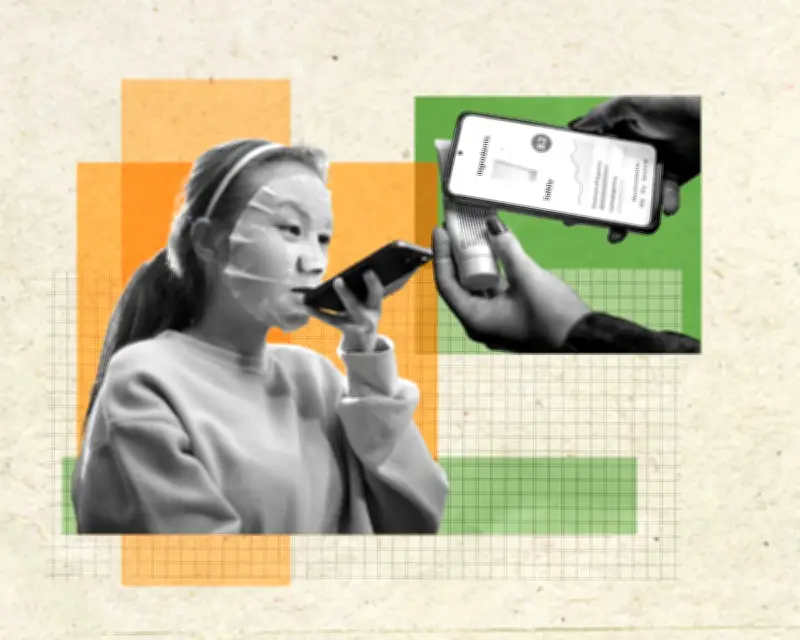
Consulting AI chatbots for skincare advice has become increasingly common, driven by the high cost of seeing a dermatologist—averaging $230 out of pocket in Australia. However, experts caution that these tools often provide flawed recommendations, leading to skin problems and wasted money.
AI Chatbots Lack Medical Understanding
Dr Michelle Wong, a cosmetic chemist and science educator, warns that AI outputs are like "a blurry Jpeg of all the text on the web," quoting sci-fi writer Ted Chiang. She notes that chatbots often pull information from unreliable sources, such as user forums or blogs, rather than dermatology websites. In the past six months, Wong has seen cases where chatbots advised using multiple products with the same active ingredient, like vitamin A, or recommended applying products in incorrect orders, such as cleanser after serum. Some chatbots even suggested non-existent products or falsely claimed a product was free of allergens.
Dermatologists Report Harmful Outcomes
Dr Anita Lasocki, a dermatologist in Melbourne, has treated patients with irritant contact dermatitis or rosacea flare-ups caused by AI-recommended routines involving too many active ingredients like retinoids and acids. "The core issue is that an AI chatbot can’t provide an accurate diagnosis," she says. Patients often spend time and money on products not suited to their actual conditions.
Associate Prof Deshan Sebaratnam from the Skin Hospital in Sydney emphasizes that there are over 3,000 skin conditions in dermatology, and AI struggles to differentiate them. For example, a dry scaly rash could be eczema, psoriasis, ringworm, scabies, or even cutaneous lymphoma. Chatbots cannot perform necessary tests like skin swabs or biopsies. Additionally, AI is less accurate for skin of colour due to limited training data on diverse skin tones.
Cost and Access Drive AI Use
The high cost and long wait times for dermatologists contribute to the appeal of AI. "There is a worldwide shortage of dermatologists, particularly in Australia," says Sebaratnam. Public and private appointments often cost hundreds and have long waiting lists.
Experts Recommend Simple Skincare Routines
For a basic routine, Lasocki advises simplicity: a gentle cleanser (fragrance-free, non-foaming, soap-free), a light moisturiser, and SPF 50+ sunscreen in the morning. In the evening, a gentle cleanser and moisturiser suffice. For those with an intact skin barrier, a retinol can be added slowly. Wong recommends applying products from thinnest to thickest consistency, and always following packaging instructions over chatbot advice.
Sebaratnam concludes: "No one understands your skin like a dermatologist." While AI may help brainstorm, it should not be trusted for diagnosis or treatment plans.