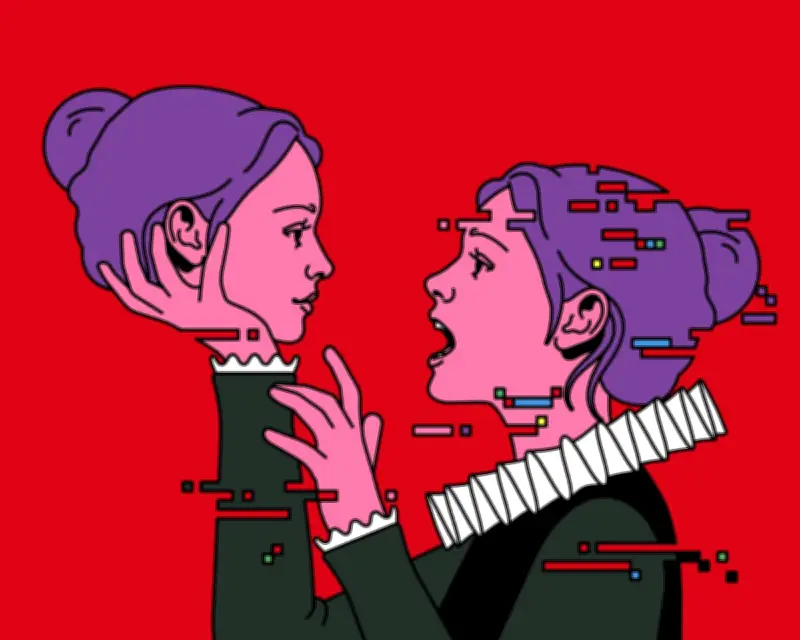
Dave Schilling, a Los Angeles-based writer and humorist, argues that the upcoming film Misaligned, starring AI 'actor' Tilly Norwood, represents propaganda for artificial intelligence rather than genuine art. The film, produced by the AI company Particle6, follows Tilly, a digital creation, as she is seduced by a rogue program into exploring human emotions like desires, impulses, and ambition.
Schilling criticizes the concept of a 'coming-of-age story' for an AI, noting that Tilly, as a computer program, cannot experience time, aging, or mortality. He questions whether an AI can truly understand the human experiences that form the basis of acting, such as the warmth of the sun or the frustration of forgetting to move a car on street cleaning day.
The Hollow Promise of AI Acting
Schilling emphasizes that acting relies on human connection across cultural and social divides, fostering empathy and understanding. He argues that AI cannot replicate this essential aspect of performance. While Particle6 claims Misaligned will involve traditional film professionals alongside AI specialists, Schilling contends that replacing human actors with digital entities strips the work of its lifeblood.

The film's story, described as a 'coming-of-age story infused with existential AI chaos,' draws parallels to the Book of Genesis, with Tilly's fall from grace within the 'Tillyverse'—a digital paradise. Schilling finds this premise intriguing but ultimately sees it as a vehicle for promoting AI as aspirational.
Propaganda Disguised as Art
Schilling warns that the 'Tillyverse' is designed to make AI and non-corporeal entertainment palatable and even desirable. He fears the film may suggest that shedding human desires and needs leads to a purer, more productive existence. Alternatively, it could promote the idea that AI should strive for sentience, a prospect he finds deeply troubling.
He draws a contrast with classic science fiction narratives like Blade Runner or AI: Artificial Intelligence, which place human experience on a pedestal and critique dehumanizing technology. Misaligned, he argues, is about a machine made by a machine, lacking the human spirit that even stories about talking toys, like Toy Story, possess through thoughtful writing and voice acting.
Schilling concludes by expressing skepticism about the film's motives, given that it is funded by an AI company and stars an AI actor. He suggests that audiences may be better off ignoring the project altogether.