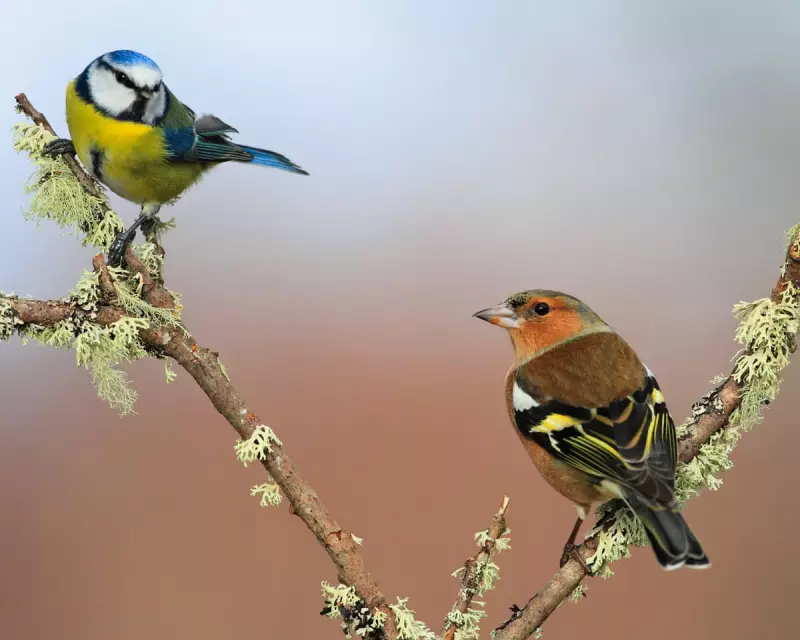
The UK's warmest and sunniest spring on record has delivered a significant boost to the breeding fortunes of some of the nation's best-loved songbirds, according to new scientific data. The dry and mild conditions of 2025 provided a welcome respite and led to above-average breeding success for over a dozen species, offering a rare glimmer of hope for threatened wild bird populations.
Breeding Success Driven by Mild Weather
Under the British Trust for Ornithology's constant effort sites scheme, volunteer bird ringers meticulously monitored 29 songbird species at specific locations from May to August 2025. The methodology, which involves catching birds in the same way at the same sites each summer, allows scientists to track changes in adult numbers and newly fledged young over time.
The results showed a stark contrast to the very wet spring of 2024. Fourteen species recorded higher than average breeding success in 2025. Dr Ellie Leech, head of the ringing scheme, attributed this largely to the favourable weather, stating it was "welcome news" made possible by the efforts of BTO volunteers.
Which Birds Benefited Most?
The positive trend was observed in both migratory and resident birds. Migratory species that thrived included the chiffchaff, reed warbler, blackcap, garden warbler, and whitethroat. Among resident birds, nine species showed statistically significant increases compared to the five-year average:
- Coal tit, blue tit, and great tit
- Cetti’s warbler and long-tailed tit
- Robin, dunnock, chaffinch, and goldfinch
The report suggests the prolonged mild and dry conditions not only aided initial breeding efforts but also increased the likelihood of second broods, leading to higher overall productivity for many species.
A Glimmer of Hope Amid Long-Term Decline
Despite the encouraging breeding data for 2025, the report strikes a cautionary note. Adult numbers of some beloved songbirds actually declined this year, a consequence thought to be linked to the disastrously poor breeding season in 2024. Alarmingly, for the willow warbler and garden warbler, the numbers recorded in 2025 were the lowest ever documented.
Dr Leech warned that the effects of climate breakdown could exacerbate challenges for wild birds, with many monitored species showing persistent long-term declines. British wild birds remain in serious trouble, with numerous species featuring on the red list of birds of conservation concern, which highlights those at risk of extinction. This list includes iconic birds such as the skylark, starling, woodcock, house martin, house sparrow, and swift.
According to the RSPB, the primary driver behind these declines, particularly for farmland birds, is intensive agricultural practices. The widespread use of pesticides and fertilisers continues to be a major threat to avian populations across the UK, underscoring that favourable weather alone cannot reverse decades of habitat loss and environmental pressure.