
Communities across Southern California are embarking on a monumental recovery effort following an unprecedented barrage of Christmas rainfall that transformed parts of the state into landscapes of mud and debris.
A Historic and Destructive Holiday Deluge
The region experienced its wettest Christmas Eve and Christmas Day in recorded history, a stark contrast to the severe wildfires that plagued the same areas just a year prior. Scientists describe this dramatic shift from extreme drought to intense rainfall as "hydroclimate whiplash." The cause was an atmospheric river channelling immense moisture from the Pacific Ocean.
Rainfall totals were staggering. Santa Barbara airport recorded 5.91 inches of rain, while more than 10 inches fell in sections of the San Gabriel Mountains within Los Angeles county. The most extreme measurement came from the Ventura county mountains, where a single area was drenched by more than 17 inches of precipitation.
Widespread Chaos and Emergency Declarations
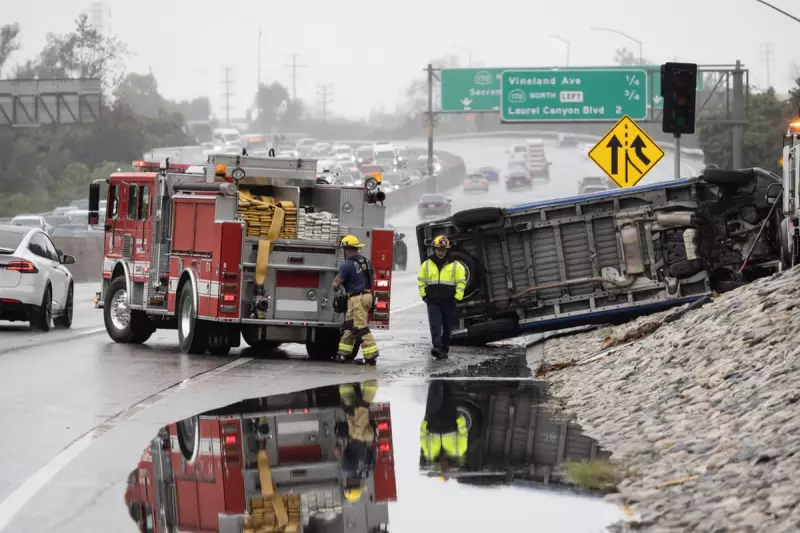
The storm's impact was severe and immediate. The relentless downpours triggered hundreds of car crashes, toppled trees, and cut power to thousands of homes and businesses. Mud flows invaded numerous properties, damaging houses and gardens.
In response, Los Angeles Mayor Karen Bass declared a local state of emergency. The scale of the crisis required dramatic rescues, with Los Angeles County firefighters saving more than 100 people on Thursday 26 December alone. In one notable operation, a helicopter airlifted 21 individuals from vehicles stranded by floodwaters.
California Governor Gavin Newsom expanded the emergency declarations to include Los Angeles, San Diego, Orange, Riverside, San Bernardino, and Shasta counties, mobilising state resources for the response.
Ongoing Risks and Personal Accounts of Loss
Although the heaviest rain has subsided, authorities warn that the danger is not fully over. The National Weather Service has cautioned that the threat of flash flooding and mudslides persists, particularly in vulnerable, recently burned areas. "Still not quite out of the woods, but for the most part, the worst is over," stated Mike Wofford, a meteorologist with the service in Los Angeles. Forecasters predict a dry weekend before another round of rain is expected around New Year's Eve.
The human cost of the storms is vividly illustrated by stories from affected residents. Sherry Tocco from the mountain town of Wrightwood described to the Los Angeles Times how torrential rain turned roads into raging rivers, burying cars under rocks and mud. "It just came through and destroyed, took everything with it," she said, recounting how firefighters helped her evacuate to sleep in her car.
While low-lying areas battled floods, higher elevations saw significant snowfall, with the Sierra Nevada mountains receiving up to two inches of snow per hour. The event underscores the increasing volatility of weather patterns on the US West Coast and the mounting challenges of climate resilience.



