Urban Flora Thrives in Newcastle's Industrial Riverside Landscape
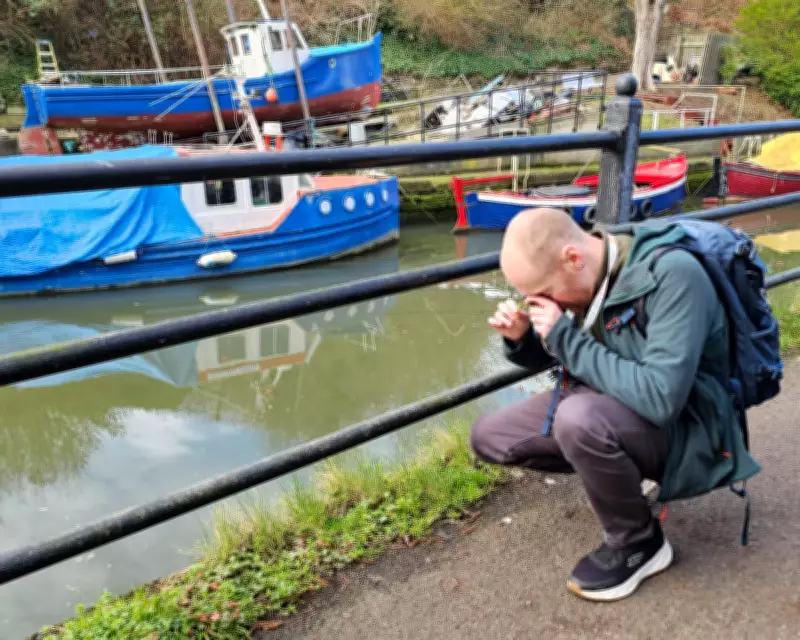
James Common crouches low to examine the delicate green field-speedwell, a plant that tells a story of centuries past. The Lower Ouseburn in Newcastle upon Tyne presents a remarkable case study of how urban environments can harbor unexpected botanical richness. This tidal river, once bustling with coal barges serving glassworks, bottleworks, potteries and flax mills, has transformed into a corridor of waterside cafes, bars and modern housing, yet its plant life remains a living archive of the city's history.
A Riverside Walk Through Time
The Ouseburn flows glassily toward the Tyne, reflecting clouds as it passes through varied habitats. From a wooded dene beneath a soaring viaduct to exposed mudflats and ivy-covered ruins, this evolving cityscape supports plant communities that often go unnoticed by passing joggers and families with prams. James Common, who has researched Newcastle's plants for six years, reveals in his forthcoming book Urban Flora of Newcastle and North Tyneside that the Lower Ouseburn represents the fifth most diverse square kilometer among 188 areas studied, ranking alongside nature reserves and the Victorian park of Jesmond Dene.
This botanical vibrancy results from centuries of movement—people, industry, animals, and ships' ballast have all contributed to dispersing seeds along the riverbanks and pathways. Plants survive in the most unlikely places: beneath boardwalks, in crumbling concrete, on window ledges, and clinging to river embankments. They represent a fascinating mix of native species, archaeophytes (introduced before 1500), and neophytes (introduced since then).

Remarkable Botanical Diversity
Along the footpath margins, a foot-wide mossy strip teems with life. Yarrow, plantain, goosegrass and clover sprout fresh leaves beneath riverside railings, while pellitory-of-the-wall fills the tiny cracks between pavement and wall. The area hosts minuscule white flowers of common whitlowgrass, seedpods of shepherd's purse, winged stems of water figwort alongside mallow and shining cranesbill. As researchers examine these plants, passersby occasionally recognize Common from his public talks, highlighting the growing community interest in urban botany.
The plant inventory includes crop weeds, Bronze Age archaeophytes like henbit deadnettle and green field-speedwell growing alongside neophytes such as Oxford ragwort. Eastern rocket, first recorded locally in 1936, aromatic black horehound, common polypody and maidenhair spleenwort ferns, dove's foot geranium and wild parsnip all contribute to this rich tapestry. The total number of plant species recorded by Common and others—1,123—doubled initial expectations and represents approximately one-third of all plant species found in Britain.
A Living Historical Record
This extraordinary diversity serves as a botanical history of the city, with each species telling a story of human activity, industrial development, and ecological adaptation. The transformation from industrial heartland to recreational corridor hasn't diminished the area's botanical significance; rather, it has created new niches for plant survival and colonization. As grey wagtails skitter across gabions by moored boats and gulls cry overhead, the plants continue their quiet persistence, documenting Newcastle's past while adapting to its present.