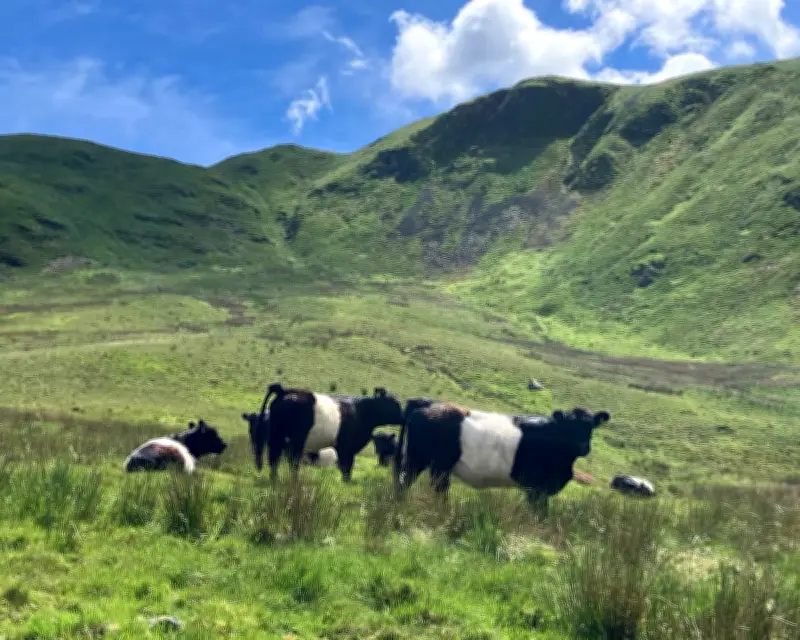
A suspected case of bovine tuberculosis on a family farm in the UK has thrown summer plans into disarray, but subsequent testing revealed the herd is free of the disease. The scare, which occurred in late June, prompted an immediate movement ban and dashed hopes of attending agricultural shows and holidays.
Initial Suspicion and Immediate Impact
The farmer, who writes under the name Country Diary for The Guardian, described how a routine TB test on a single cow returned a 'reactor' result, triggering a cascade of restrictions. All cattle movements were halted, meaning no animals could be taken to market or to summer shows. The farmer noted that the family had planned to attend several local agricultural events, which are a highlight of the rural calendar.
According to the farmer, the initial test result 'felt like a punch in the guts,' as it threatened not only the summer schedule but also the farm's livelihood. Bovine TB is a serious disease that can lead to the culling of entire herds, and even a suspicion can have severe economic and emotional consequences.
Follow-Up Tests Bring Relief
However, after a tense wait of several days, follow-up tests on the entire herd came back negative. The farmer expressed immense relief, stating that 'the summer is back on' and that they can now resume normal operations. The negative results mean the movement ban is lifted, allowing cattle to be taken to shows and markets again.
The farmer credited the quick response from the Animal and Plant Health Agency (APHA) for minimizing disruption. 'We are grateful for the swift testing and clear communication,' the farmer said. The incident underscores the constant vigilance required in livestock farming and the emotional rollercoaster that comes with disease scares.
Broader Context of Bovine TB
Bovine TB remains a persistent challenge for UK farmers, with over 20,000 cattle culled in 2024 due to the disease, according to government figures. The disease is particularly prevalent in parts of the West Country and the Midlands, where badgers are known vectors. The farmer noted that while this scare ended well, many colleagues are not so fortunate, and the threat is ever-present.
The farmer concluded by reflecting on the importance of community support during such crises. 'Neighbors and vets rallied around us, and that made all the difference,' they said. With the herd clear, the family can now look forward to a summer of shows and time off, though the memory of the scare will linger.