The Secret Night Life of Australia's Muppet-Like Birds
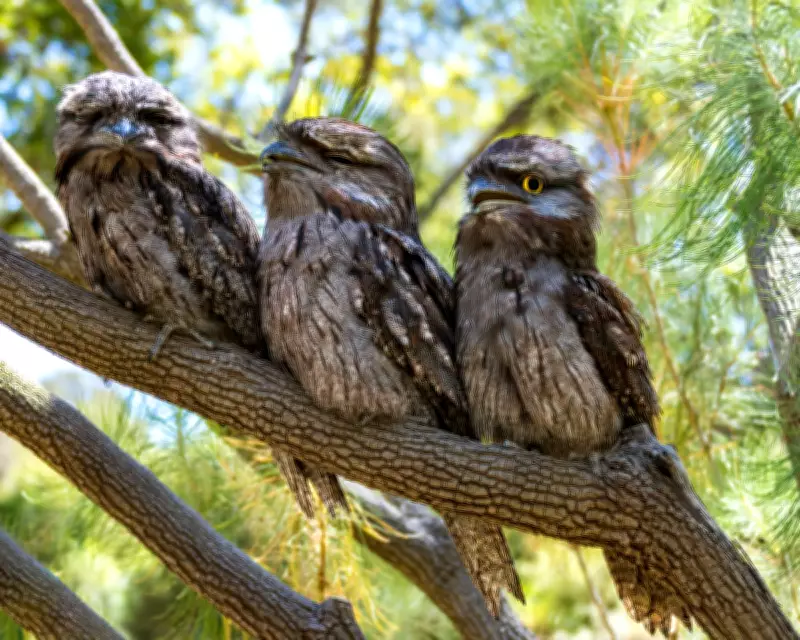
What appears as a charming Muppet in a long coat with haunting eyes during daylight hours reveals itself as something entirely different after sunset. Tawny frogmouths, with their distinctive appearance that seems borrowed from a cartoon, spend their nights engaged in a dramatic transformation that few humans witness.
From Tree Stumps to Aerial Athletes
These remarkable birds, recently crowned 2025 Australian Bird of the Year, lead dual lives that contrast dramatically between day and night. During daylight hours, they pose as tree stumps on branches, almost parodying their own appearance with perfect camouflage. But as darkness falls, they awaken like vampires and embark on night-long hunting expeditions.
The transformation is complete: what were stolid, stationary creatures become zephyrs that silently swoop through the night air, catching prey both on the ground and in flight with remarkable precision.

A Season of Observation in Hopetoun Gardens
Last spring, a dedicated observer followed a breeding pair in Hopetoun Gardens, Elsternwick, located in Melbourne's south-east. From early August through November, more than forty visits to this Federation-era park revealed the hidden world of frogmouth family life.
The park's significant trees, including Illawarra flame trees, a bunya-bunya pine, and several cedar specimens, provided perfect nesting locations for these nocturnal birds. The search began with looking for telltale white splodges on the ground - the copious "whitewash" that marks their presence.
The Breeding Season Unfolds
In early September, the first tawny was spotted during daytime, brooding eggs on a nest constructed from sticks straddling a fork in a massive Himalayan cedar. By October, the observer witnessed the first evening flights as parents began their nightly feeding routines.
The flying style surprised even the experienced watcher. Rather than the slow, laborious flight of larger birds, tawny frogmouths demonstrated remarkable panache, threading effortlessly between lamp-posts, bushes, and trees with silent grace.
Chick Development and Parental Dedication
Late October brought the universally adored "Cousin It" phase, with chicks sporting thick, downy plumage resembling fur more than feathers. Even at this young age, they had learned to mimic their parents' threat displays, staring down human observers with miniature versions of adult intensity.
The transition from nest to branch occurred at month's end, with "branchlings" jostling each other while rapidly flapping developing wings to build flight muscles. A severe wind storm on October 22nd, with destructive speeds reaching 130 km/h, threatened the young birds' survival, but they persevered.
Extraordinary Feeding Efforts
The most remarkable observation came during the fledging period in early November. Both parents demonstrated heroic dedication to feeding their offspring. One night, an observer timed their efforts: in just ten minutes, each parent hunted and fed their young five times - an extraordinary display of parental commitment.
Working in near darkness, the substantial silhouettes of adult birds could be seen flying soundlessly across the park, their striped wings offering only fleeting suggestions of their presence as they executed perfect hunting dives.
Learning the Language of Frogmouths
The observation period allowed for intimate familiarity with tawny frogmouth vocalizations. The repertoire included a repetitive "oom, oom" call, a soft "huff" from young birds awaiting food, and a screechy hiss. Once fledged and moving through the park, the young birds' distinctive "huffs" became reliable location markers.
One surprising discovery came when an adult, presumably disturbed by the observer's presence, flew directly at them while emitting a loud buzzing sound reminiscent of an angry bee.
Why These Nocturnal Birds Captivate
While their recent Bird of the Year victory has certainly brought tawny frogmouths more attention, their appeal runs deeper. Their front-facing eyes, reminiscent of pugs in the bird world, combined with their daytime camouflage and nighttime transformation, create a unique fascination.

As Australia's most common night-hunting bird, they offer accessible wildlife observation opportunities. Finding them rewards the observer with some of the most exhilarating birding experiences available - witnessing the complete transformation from daytime "stump" to skilled aerial athlete under cover of darkness.
This intimate study reveals that tawny frogmouths are far more than their charming appearance suggests. They are dedicated parents, skilled hunters, and remarkable examples of nature's adaptability - creatures that have mastered both camouflage and flight in their unique ecological niche.