The Charismatic Common Toad: A Gardener's Ally Facing Extinction
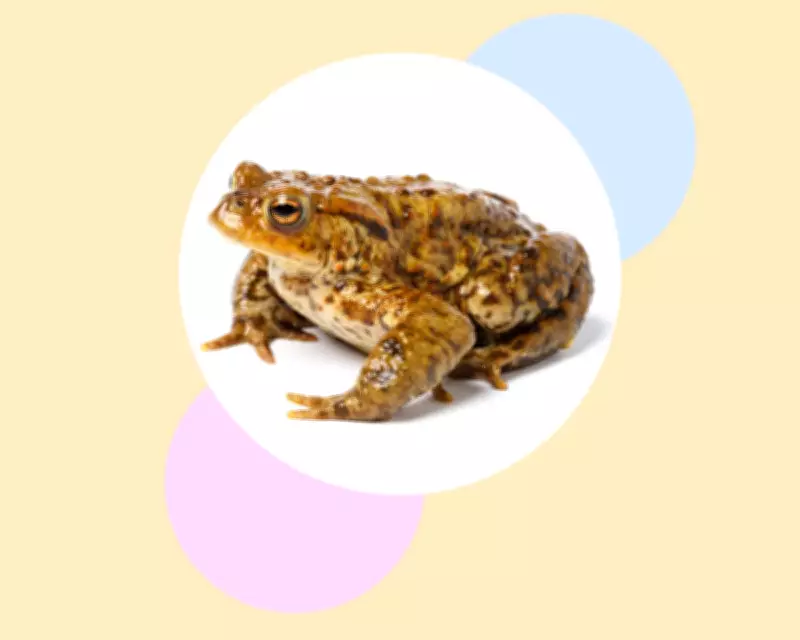
There is an undeniable touch of old magic surrounding toads, those enigmatic shapeshifters deeply rooted in myth, superstition, and folklore. Known scientifically as bufo bufo, the common toad captivates with its astonishing copper- or gold-coloured eyes and rugged, textured skin. "People often describe them as warty, which I've always considered a bit unfair," remarks Dr Silviu Petrovan, a dedicated conservationist and researcher specializing in toad populations.
Beyond their mystical allure, toads serve as invaluable allies in the garden. "We frequently refer to toads as a gardener's best friend because they consume all the pests," explains Jenny Tse-Leon, head of conservation and impact at the British amphibian charity Froglife. Their annual spring migration is a dramatic spectacle, with hundreds of thousands of animals journeying back to their ancestral breeding ponds. "It's akin to the wildebeest migration of the Serengeti, just on a much smaller scale," Tse-Leon notes. During this trek, males often "piggyback" on potential partners, riding on the females' backs to secure a lift to the pond.
Why Toads Require Urgent Protection
A study published by Petrovan and colleagues last year revealed a staggering 41% decline in the UK's common toad population between 1985 and 2021, based on data from toad patrols. "Given that these are an abundant species, this represents vast numbers of individuals that have simply vanished," Petrovan emphasizes. Road mortality poses a significant threat, as the migration coincides with dusk and rush hour, bringing toads into contact with the UK's dense road network.

Additionally, the landscape has become increasingly inhospitable for amphibians. Approximately half of the UK's ponds—around 400,000—have been lost since 1900, with many remaining ones potentially "heavily polluted," according to Petrovan. Construction work further endangers toads by destroying woodland habitats, while declines in invertebrate prey, such as earthworms, adversely affect their populations. The climate crisis exacerbates these issues, with warmer winters causing toads to expend energy without feeding, leading to reduced body condition and fewer offspring.
Practical Steps to Aid Toad Conservation
Join a Toad Patrol: Across the country, volunteers dedicate spring evenings to assisting toads across roads. "It's straightforward: you search for toads, pick them up, place them in a bucket, and move them to safety," Tse-Leon describes. Since 1974, Froglife has recorded over 2 million toads helped by patrols, which also collect vital data for research and planning. Mike Collins, a patrol leader in Bath, reports that casualty rates have dropped from 60% to 3% since patrols began, highlighting the power of community effort.
Build a Pond: Adding water to your garden can significantly boost biodiversity. "Even a small pond attracts insects and amphibians," Tse-Leon advises. Ideal ponds for amphibians are fish-free with gently sloping edges and a deeper middle. Froglife offers detailed guidance in its Just Add Water leaflet.
Leave Spawn Alone: Avoid collecting wild frog and toad spawn, as this can spread diseases. Instead, focus on creating habitats that naturally support breeding.
Create a Winter Toad Hall: Toads enter brumation in winter and need safe shelters. Leaving areas overgrown, maintaining leaf litter, or building a hibernaculum—a log pile covered with soil—can provide stable temperatures for overwintering.
Make Green Spaces Toad-Friendly: As ambush predators, toads thrive in gardens with diverse insect life. Avoid pesticides, plant wildflowers, and include areas of longer grass to create cooler foraging spots. In Bath, communities have established nature reserves that support various amphibians.
Lobby Your MP: Support initiatives like the water reform bill by contacting your MP. Wildlife and Countryside Link advocates for tougher regulations and the creation of wetland corridors to protect amphibian habitats.