Australia's National Parks: A Clash of Conservation and Commerce
In the heart of Australia's protected landscapes, a fierce debate is unfolding over the future of national parks. Developers argue that eco-tourism ventures provide crucial funding for under-resourced parks, while conservationists warn that private luxury accommodations threaten the very wilderness these areas are meant to preserve.
The Gardens of Stone Controversy
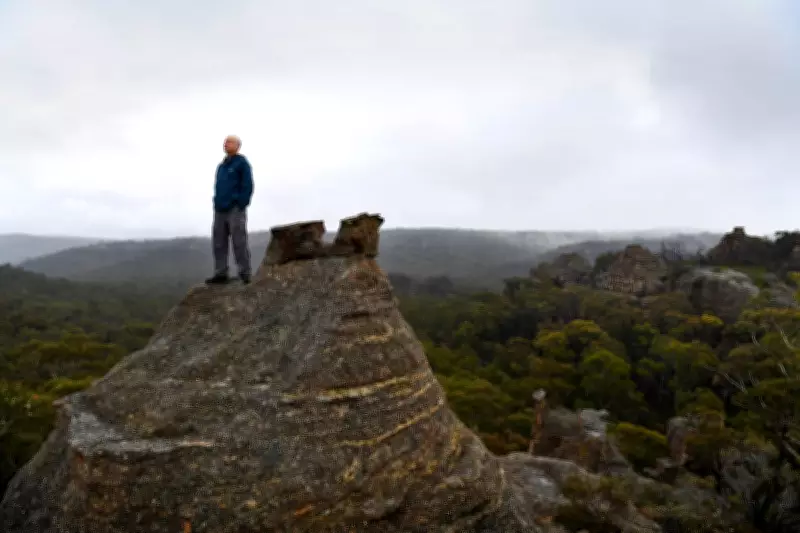
Keith Muir, a local resident of Katoomba in the Blue Mountains, expresses deep frustration over plans by the New South Wales National Parks and Wildlife Service (NPWS) for the Gardens of Stone state conservation area. Declared in 2022, this reserve features stunning pagoda-like sandstone formations that Muir describes as "symphonies in stone." However, NPWS proposals include a multi-day walking trail and 18 twin cabins for luxury glamping-style accommodation, to be leased to a private operator.
Muir contends that these structures, labeled as "bush camps" in public consultations, are effectively a resort. He fears that if such development is permitted in the Gardens of Stone, it could set a precedent for similar projects across Australia's protected areas. An NPWS spokesperson defends the plans, stating the camps are low-impact, blend into natural surroundings, and cover less than one hectare.

The Rise of Private Tourism in Public Parks
Ralf Buckley, an emeritus professor at Griffith University specializing in sustainable tourism, notes that Australia is leading a global trend in private tourism development within national parks. Historically, these parks served conservation and public access, with families camping for free. Today, guided walks with luxury lodging can cost thousands of dollars per person, such as over $4,000 for a four-day hike in Tasmania's Tasman National Park.
Buckley criticizes this shift, pointing out that private operators gain exclusive rights to prime real estate within public parks, often subsidized by taxpayers. Examples include the Scenic Rim Trail in Queensland, where luxury cabins enable catered hikes costing more than $3,000, compared to $22.50 for independent camping. A Queensland environment department spokesperson argues that such ventures create jobs, support local tourism, and enhance park protection through revenue.
Eco-Tourism vs. Wilderness Preservation
Brett Mitchell, managing director of Intrepid Travel's Australia New Zealand division, which is acquiring Wild Bush Luxury, rejects the resort label for the Gardens of Stone cabins. He asserts that tourism plays a vital role in environmental protection, especially in underfunded Australian parks. Mitchell cites the Larapinta Trail in central Australia as a model of low-impact tourism that benefits communities and traditional owners.
However, former Greens leader Bob Brown strongly opposes private development in wilderness areas. He labels the concept of "wilderness lodges" an oxymoron, arguing that true wilderness should remain free from modern technology. Brown warns of "green shoe brigade developers" profiting from remote and beautiful public lands, despite nature disappearing at an unprecedented rate globally.
Accessibility and Economic Arguments
Proponents of private development highlight increased accessibility. Mitchell notes that many people cannot carry heavy backpacks into remote parks, and luxury accommodations allow more visitors to experience natural wonders. Neil Lynch, managing director of Tasmanian Walking Company, which operates the Three Capes Track, says commercial operators can coexist with public access if they adhere to strict environmental standards and small-scale operations.
Yet, Brown counters that private land is available for nature-based tourism, citing his donation of property to Bush Heritage Australia. He insists public wild places should never be handed over for private profit, emphasizing that conservation must remain the priority.

A Growing National Issue
This conflict extends beyond New South Wales to Tasmania and Queensland, where state parks services promote a "spectrum of opportunities" to cater to all visitors. As Australia grapples with balancing conservation and commerce, the outcome will shape the future of its iconic national parks, testing whether eco-tourism can truly protect these precious environments or if it risks compromising their wild integrity.