Molly Burkett: A Life Dedicated to Wildlife and Social Justice
Molly Burkett, a remarkable writer, wildlife rehabilitator, and tireless campaigner whose work spanned over six decades, has died at the age of 93. Her life was defined by a unique blend of public service, activism, and practical animal rescue, establishing her as a significant figure in British conservation and social welfare.
Building a Wildlife Sanctuary
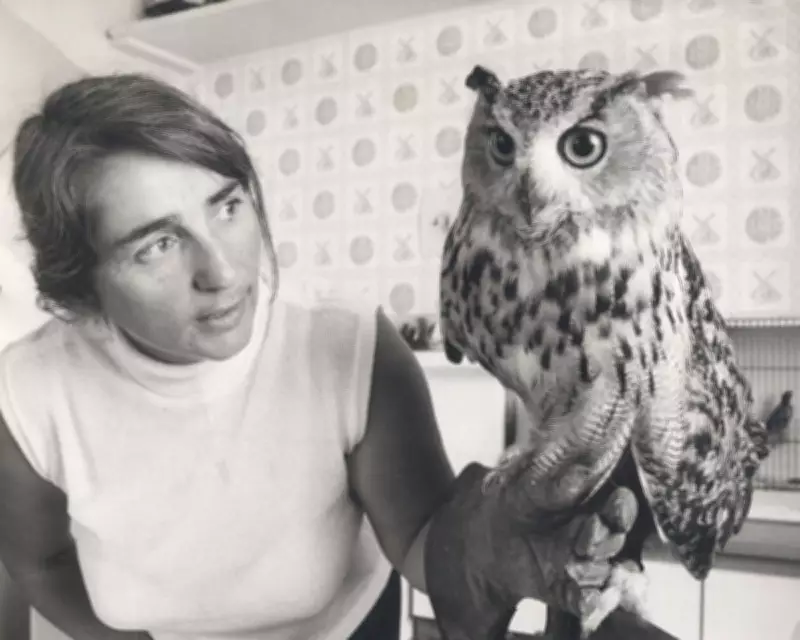
From the 1950s onward, Molly developed what became one of Britain's most enduring private wildlife rehabilitation centres. Initially based in Hampshire and later in Lincolnshire, she operated this sanctuary alongside her professional career as a teacher and educational psychologist. After marrying engineer John Burkett in 1954, she began caring for sick and injured birds and animals at home, eventually managing hundreds of creatures simultaneously.
Their journey started modestly, living in a caravan at Lasham airfield where John worked on the Blue Streak rocket project for De Havilland. They later settled near Alton before moving to Hough-on-the-Hill in Lincolnshire in 1969 with assistance from the RSPCA, where her rehabilitation work flourished.

Practical Conservation and Advocacy
Molly's approach to wildlife was characterised by her uncompromising belief that wild animals should be treated with respect rather than sentimentality. This philosophy guided her extensive practical work, which included rehabilitating seabirds after the devastating Torrey Canyon oil spill in 1967 and supplying captive-bred ravens to the Tower of London.
Her expertise was recognised at governmental levels, where she advised on wildlife legislation, most notably contributing to the 1976 Dangerous Wild Animals Act. During the early years of wildlife broadcasting, she became a familiar television presence on programmes such as Zoo Time, though she gradually shifted focus from media work to the deeper impact of books.
Literary Legacy and Early Influences
Starting with High Fly in 1967, Molly authored more than 120 books, many inspired by animals in her care and the people she encountered. Titles like The Year of the Badger (1972) and Foxes Three (1979) brought her international recognition and were translated into multiple languages, cementing her reputation as a gifted storyteller.
Born in Westcliff-on-Sea, Essex, to Topsy and Jack Preece who ran a grocer's shop, Molly grew up acutely aware of social inequality. Second World War evacuations exposed her to both deprivation and extraordinary kindness, shaping her fierce sense of justice and lifelong refusal to accept hardship as inevitable.
Educational and Social Campaigning
A natural storyteller from childhood, Molly had her first stories published while still at school. After training at Goldsmiths' College, London University, as a teacher and educational psychologist, she worked with young children, disabled pupils, and vulnerable adolescents across the UK.
She was an outspoken advocate for equal pay in education, helping organise marches and petitions in the 1950s while directly challenging ministers about poverty and neglect in postwar Britain. Her commitment to social justice extended throughout her life, including serving as a Home Office inspector of children's homes and chairing a Home Office board.
Later Years and Recognition
In her later years, Molly successfully campaigned against nuclear waste-dumping in Lincolnshire and continued providing tireless, practical help to individuals in crisis. She was appointed MBE in 2008 and remained creatively active into her 90s, including singing with Vicky McClure's Our Dementia Choir.
Her husband John died in 2012. Molly is survived by her two children, Sophie and the author of this obituary, along with two grandchildren, Seth and Kizzie. Her legacy endures through her extensive literary works, her contributions to wildlife conservation, and her unwavering commitment to social justice.