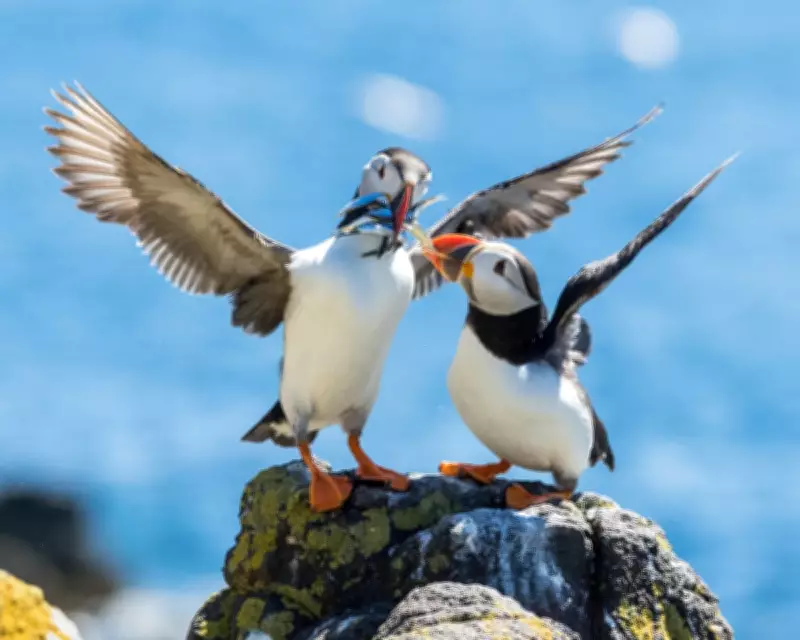
Mass Seabird Deaths on European Coasts Linked to Storms and Climate Crisis
Thousands of seabirds, primarily puffins along with significant numbers of guillemots and razorbills, are being found dead or dying on the Atlantic coasts of western Europe. Scientists describe this alarming phenomenon as a "wreck," marking the worst such event since 2014 when up to 54,000 birds were stranded, with puffins accounting for over half of that total.
Severe Storms and Hidden Mortality
This year's seabird wreck is a direct consequence of a series of severe storms that battered the region during the late autumn and winter months. However, experts warn that the birds washed ashore may represent only a fraction of the total casualties. Puffins typically spend winters far out in the north Atlantic, meaning many more are likely to have perished at sea without ever reaching the coast, making the full scale of the disaster difficult to quantify.
Compounding Threats to Seabird Populations
The RSPB has highlighted that these weather-related disasters add to an already challenging period for puffins and other seabirds. Key factors contributing to their decline include:

- Avian flu outbreaks, which have devastated colonies.
- A decline in sand eels, a crucial food source, reducing breeding success on offshore islands and coastal areas.
- Rising marine pollution, affecting species like gannets, fulmars, and kittiwakes.
These issues collectively threaten the long-term survival of seabird populations across Britain and Europe.
Climate Crisis as the Root Cause
The increase in both the frequency and severity of winter storms is linked directly to the global climate crisis. This environmental shift not only endangers seabirds but has also led to severe flooding in many parts of Britain, underscoring the broader impacts of climate change on ecosystems and communities.
As scientists continue to monitor the situation, the mass seabird deaths serve as a stark reminder of the urgent need for climate action to protect vulnerable wildlife and mitigate future disasters.