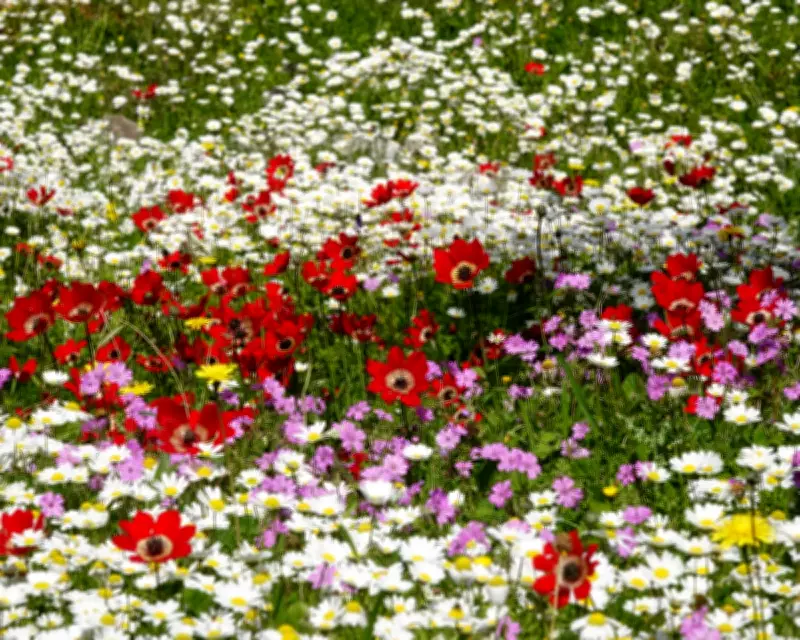
The southernmost tip of Greece's Peloponnese peninsula, known as the Mani region, presents a dramatic landscape of rocky mountains and historic stone structures. While this area has long been celebrated for its fierce independence and rugged terrain, it holds an equally remarkable secret: each spring, the Mani transforms into one of the Mediterranean's most spectacular wildflower displays.
A Landscape of Contrasts
The Mani's reputation for violence and vendettas among local clans, as documented by writers like Patrick Leigh Fermor, contrasts sharply with its springtime transformation. The region's ancient field system, featuring miniature stone-walled plots planted with olive, almond, fig, and carob trees, creates a stark backdrop that somehow enhances the area's floral softness and vibrant colors.
The Floral Ballet
What makes the Mani's wildflower display particularly compelling is the way millions of blooms engage in what can only be described as a slow, rotational ballet. Each flowerhead meticulously tracks the sun's position throughout the day. At dawn, blooms that ended the previous day facing west perform a perfect 180-degree tilt to greet the rising sun, creating a living, moving tapestry of color and form.

Chios Chamomile: A White River of Blooms
At a location called Drosopigi, visitors encounter one of nature's most spectacular displays. The white-flowered Chios chamomile creates what appears to be a solid plain of white petals, winding down mountain roads on both sides, continuing around each bend, and finally spreading across broad, disused tracks. The effect is so extensive and visually striking that it would likely be visible from passing aircraft, transforming ancient paths into rivers of white blooms.
Botanical Richness
The Mani's floral diversity includes not just the spectacular Chios chamomile but also the vibrant peacock anemone and countless other species that create a mosaic of color across the rocky landscape. This botanical richness thrives in what might initially appear to be inhospitable terrain, with flowers finding purchase in the smallest crevices and transforming the entire region into a living botanical garden.
Historical Context and Natural Wonder
While the Mani has been known historically as a fertile recruiting ground for Mediterranean piracy and an early outpost for Greek liberation from Ottoman rule, its springtime floral display represents a different kind of richness. The region's name, possibly derived from the Byzantine fort at Cape Tigani or the desolate, mountainous terrain, takes on new meaning when viewed through the lens of its astonishing botanical abundance.
The contrast between the Mani's harsh, rocky landscape and its delicate, colorful blooms creates a unique natural spectacle that continues to amaze visitors and researchers alike. As documented in recent works like Charles Foster's "The Edges of the World," this region offers not just historical intrigue but a living demonstration of nature's resilience and beauty in challenging environments.