German Humpback Whale Stranding Sparks National Drama and Death Threats
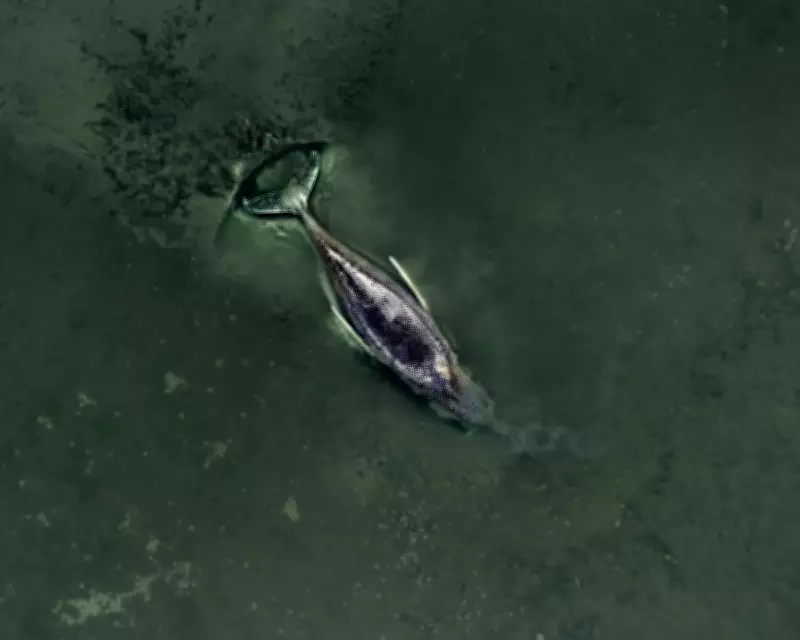
A 10-meter male humpback whale stranded in the Baltic Sea has plunged Germany into an emotional national drama, with experts declaring the animal beyond saving and facing death threats for their involvement. The whale, first spotted near Timmendorfer Strand and Wismar on the north German coast about a month ago, has repeatedly stranded and freed itself, now lying in shallow waters off the island of Poel.
Rescue Efforts Turned Political Nightmare
The situation has escalated far beyond a typical animal rescue operation. Politicians have been moved to tears, shamans have traveled from distant regions, and experts brought in to assist now fear for their safety. One leading humpback whale specialist has stopped allowing her name to be quoted in media, stating that "it has become dangerous to talk about humpback whales in Germany." The local mayor admitted authorities were "totally out of our depth" in handling the crisis.
Why the Whale Cannot Be Saved
At an emotional press conference nearly two weeks ago, Mecklenburg-Vorpommern Environment Minister Till Backhaus, rescue workers, and scientists from Stralsund Maritime Museum declared rescue attempts over. The whale suffers from multiple critical issues:

- A fishing net caught in its jaw has weakened the animal and disrupted its navigation
- The Baltic Sea environment is fundamentally unsuitable with insufficient salt content and depth for humpback survival
- Additional wounds on its back and skin infections have compounded its deteriorating condition
Backhaus described the whale as "very sick" and explained that nature should be allowed to take its course, though he acknowledged this was one of the most demanding situations of his 27-year career.
Public Frenzy and Bizarre Suggestions
The stranded whale has become a national spectacle, generating constant media coverage and public obsession. Well-meaning citizens and self-proclaimed environmentalists have taken to the waters to approach the animal, with one woman in her late 50s from Bavaria recently rescued by angry water police after getting within 3 meters of the whale.
Suggestions for saving the whale have ranged from practical to fantastical:
- Using helicopters with sheets to lift the whale
- Hiring a giant catamaran from Denmark
- Building a swimming pool around the animal
- Playing whale song recordings
- Administering a lethal injection (though experts note this would require direct heart access, nearly impossible to achieve)
- Attaching explosive devices to the whale's head, a method considered by the International Whaling Commission for emergencies but ruled out by German authorities
A German millionaire has offered unlimited funding, arguing that "if it's possible to fly to the moon, it must be possible to save a whale." Meanwhile, a self-described whale ambassador composed a ritual healing song called HeJaWa, claiming it would energize and free the animal.
The Cultural and Political Fallout
German news magazine Spiegel described the spectacle as a "failed theatre production" featuring "offended animal rights protectors, angry police, helpless authorities and a whale which doesn't follow stage instructions." The controversy has even entered political discourse, with some critics using the situation to argue for far-right political solutions, accusing politicians and environmentalists of animal cruelty.
Despite the whale being nicknamed "Timmy" by some locals, experts refuse to use the name, warning that anthropomorphizing the animal contributes to the problematic emotional response. Authorities continue to spray the whale with seawater for comfort in its final days, with Backhaus vowing to accompany the animal "to the last" while acknowledging that "a resurrection is not in sight."